protein

What’s on the Menu – I can see clearly now

None of us are getting any younger. I know that’s not exactly breaking news, but I recently reached the point in my life where I’m beginning to feel the effects of aging. I cruised through my 20s with little concern every time my birthday rolled around. Now, as I inch closer to 34, I’m starting to experience issues that would have never affected me 5 years ago.

My muscles take a little longer to recover from a tough workout. It’s hard for me to be energetic the day after a poor night’s sleep and if I decide to forgo “clean eating” for a night, my digestive system is in turmoil for at least 24 hours. Fortunately, there is one bodily function that has yet to be touched by the hands of father time and I believe that has a lot to do with today’s menu spotlight.
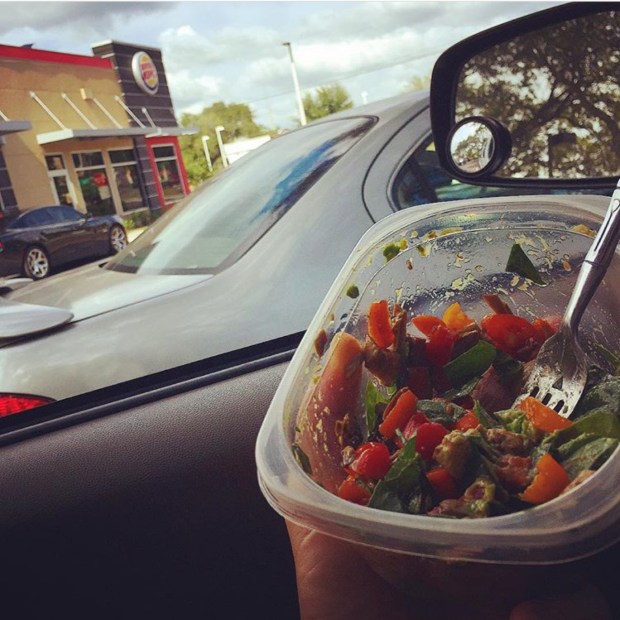
Salad

Whether it be in a salad I packed for lunch or Shannon’s delicious Saucy Tomato Eggs (clink link for recipe), bell peppers frequently make their way into many of our meals. Unlike their spicy cousins, bell peppers do not contain capsaicin, which is why they’re often referred to as sweet peppers. True to their name, bell peppers provide a sweet flavor and a tremendous crunch to any recipe. Even though they lack the beneficial capsaicin compound, bell peppers provide a host of beneficial nutrients that can help manage several different health conditions, including poor eye sight.

One medium sized red bell pepper contains approximately 75% of our recommended daily value of vitamin A. Research has shown that the vitamin A contained in vegetables like bell peppers not only protects the surface of the eye, but also decreases the inflammation created by specific eye conditions (source). In addition to vitamin A, bell peppers also contain high levels of the antioxidants lutein and zeaxanthin, which have been shown to be effective in the treatment of age-related vision loss (source). Believe it or not, the bell pepper’s health benefits don’t stop there.

Menu pic 5-18

Bell peppers also contain a significant amount of vitamin C, vitamin B6, folate and numerous antioxidants. This nutrient dense fruit/veggie improves immunity, reduces inflammation, promotes healthy pregnancies and stimulates collagen production. It’s important to remember that a lot of the vitamins bell peppers possess are fat soluble vitamins. Which means you need to prepare them with a fat source. Sauteing them up in olive oil or butter should do the trick (source).

I know I included the link already, but do yourself a favor and check out Shannon’s saucy tomato eggs recipe. If I had to pick only one meal that contained bell peppers to eat for the rest of my life, it would be that one.

No doubt about it.

If you have a recipe that features bell peppers that you can’t live without, please let me know about it. You can email your recipes to elementaltampa@gmail.com or post a pic of your favorite bell pepper recipe on one of our various social media channels. It’s going to be hard to beat Shannon’s recipe, but you can try.

What’s on the Menu – Grass vs. Grain

Today’s menu spotlight will focus on the nutritional differences of grass fed and grain fed beef. Before I get into the nutritional research I gathered, I want to quickly touch on the environmental & animal welfare aspects of both types of beef. Even though the production of both types of cattle can vary widely based on current regulations, I feel comfortable stating a few generalities about both. Grain fed cattle tend to live the duration of their lives in indoor feed lots and consume grain products like corn and soy. Grass fed cattle live the majority of their lives in pastures feeding on the grass available to them. Based on these points, the lives of grass fed cattle are more similar to that of their wild ancestors than grain fed cattle.

I want to reiterate that these are generalities. The USDA has not yet set a standard that all grass fed beef producers must follow (hear more about that here), which means the conditions grass fed cattle are subjected to can vary from one producer to the next.  If you choose to buy grass fed beef, research the producer. The more you know about the beef your buying, the better. Alright, on to the nutritional comparison.

Screenshot 2017-05-11 at 12.46.33 PM

Image courtesy of American Grassfed Association (link)

Can food and environment actually affect the nutrient composition of a species? You bet it can!

A 2010 study determined that grass fed beef can have up to 5 times more omega 3 fatty acids than grain fed beef. This is important because omega 3’s reduce inflammation and lower the chance of us acquiring insidious health conditions like heart disease and dementia (source).

In addition to fatty acids, grass fed also contains a different saturated fat composition than grain fed. While the amount of saturated fat in both types of beef is relatively similar, grass fed contains a higher proportion of stearic acid than grain fed. This component of saturated fat has been determined NOT to raise blood cholesterol levels, meaning that grass fed can have less of an effect on your cholesterol than grain fed (source).

Grass fed also contains more vitamin E and beta-carotene than grain fed. Our body uses these nutrients to help prevent the production of free radicals, which have the ability to create damaging health conditions like arthritis and cancer. These particular antioxidants also work together to prevent nutrient degradation during the beef’s journey from farm to table (source).

Menu pic 5-11

Even though I’m a big grass fed cheerleader, weird visual, both types of beef are highly nutritious in regards to macronutrients. Three ounces of 85/15 (lean meat to fat ratio) ground beef contains 13g of fat, 22g of protein and no carbs. But when you factor in the environmental impact and animal welfare differences, along with its micronutrient superiority, spending a extra cash on grass fed seems like a no brainer. Plus, your purchases can help revitalize the small farm industry, which I believe is key to changing our current industrialized food system.

I know cost is one reason why people choose not to buy grass fed beef, but I’d like to hear if there are any other reasons. Feel free to send us an email at elementaltampa@gmail.com or contact us on social media.

All you grass fed lovers can hit us up too! Send us a pic of your favorite meal featuring grass fed beef. We’d also love to see pics of the local farm you pick up your beef from.

Addicted to Fitness Show Notes – From the Vault: Active Key West Trip & Cricket Protein Bar Review

A year ago this week, Shannon and I were hosting numerous events in preparation for our wedding on April 29th. To commemorate that event, I figured I’d reach back into the ETT Wrap Show vault for our first podcast as husband and wife. Even though we start this throwback episode off discussing our wedding day, we quickly turn the conversation to health and fitness with a recap of our extremely active honeymoon in Key West.

Screen Shot 2017-04-22 at 5.59.59 PM

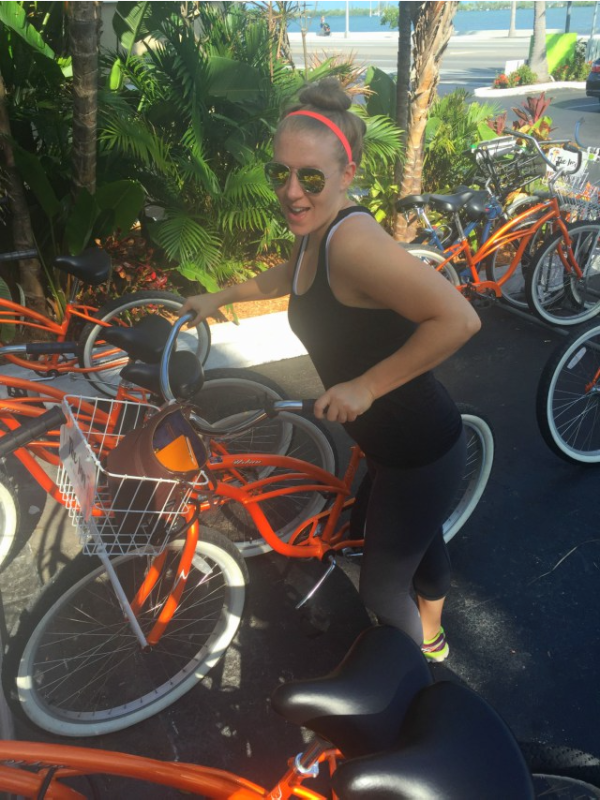
Bikes were are preferred mode of transportation while in Key West

All you avid Addicted to Fitness listeners know that Shannon and I aren’t ones to just lie around on vacation, and our honeymoon was no exception. We decided to rent bikes instead of a car while in Key West. This choice allowed us to stay active and explore lesser seen parts of the city. I also got a nice long run in from our hotel to the Southernmost Point, which was necessary because I was about to participate in the Mud Endeavor obstacle course race with several other ETT members. You can click here to check out another throwback episode about our performance at the Mud Endeavor.

Screen Shot 2017-04-22 at 6.04.31 PM

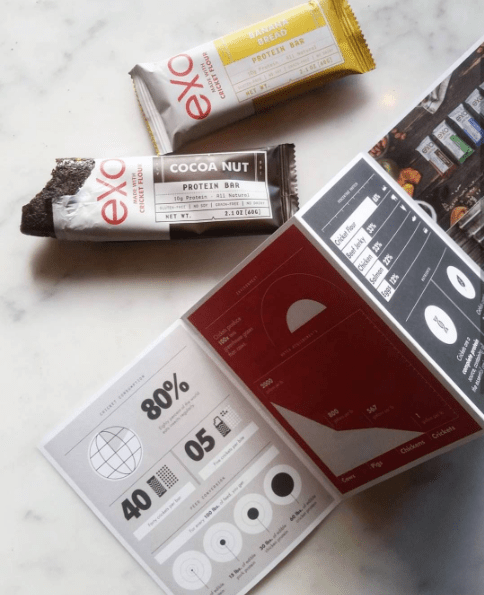
Image courtesy of the Exo Cricket Protein Bars Instagram Page

After discussing our upcoming mudrun and the possibility of me completing an Ironman triathlon, the episode quickly transitions to Shannon taste testing a very unique protein bar. Fans of the podcast have probably heard my former cohost, Tyler, and I taste test Exo Cricket Flour Protein bars (episode link), but I was still waiting to get Shannon’s first impression. I hate to spoil it for you guys but Shannon wasn’t grossed out by the bars made with ground up crickets. It didn’t come as much of a surprise to me being that the first 4 ingredients were almonds, dates, coconut and honey. Click here to learn more about this sustainable protein bar.

Podcast Pic 4-24

Image created with photo courtesy of Jonathan Fanning

Hopefully you all enjoyed this throwback episode and don’t worry, Shannon and I will be back with a brand new episode next week. We also have a couple interview episodes coming your way so make sure you subscribe to the podcast if you haven’t done so already and please share Addicted to Fitness with a friend. 

We’ve already received some feedback from the “homework” we gave you listeners on last week’s show (click here if you missed it), but we’d still love to know what time during the week you reserve for listening to Addicted to Fitness. Please send any and all feedback to elementaltampa@gmail.com or drop us a line on social media. Thanks for helping us set another download record this month. Stay healthy this week peeps!

Links to this week’s episodes

iTunes: https://itunes.apple.com/us/podcast/from-vault-active-key-west-trip-cricket-protein-bar/id1121420986?i=1000384709561&mt=2

Android: http://subscribeonandroid.com/addictedtofitness.libsyn.com/rss

Website: http://addictedtofitness.libsyn.com/from-the-vault-active-honeymoon-shannons-cricket-protein-bar-taste-test


What’s on the Menu – The Raw Bar May Have What You Need to Live a Happier Life

Before I became immersed in health & fitness, I spent a significant amount of time working in bivalve aquaculture.

For all of you who are wondering what bivalve aquaculture is, it’s essentially the captive breeding of shellfish like clams, oysters and/or scallops for either species restoration or commercial purposes. Sounds a lot like agriculture right? Well that’s because it is.

Aquaculturists create “seeds” by spawning mature animals, caring for and feeding the immature “seeds” until they are big enough to be “planted” in a body of water, where they can further develop. This prior experience taught me the importance of shellfish, not only to our environment, but also to our health.

Clams_2

Shellfish are truly some of the most nutritious foods on the planet. I’ve been lucky enough to have access to a lot of fresh shellfish in my life, but temporal and geographic limitations can make that an impossibility for many people.

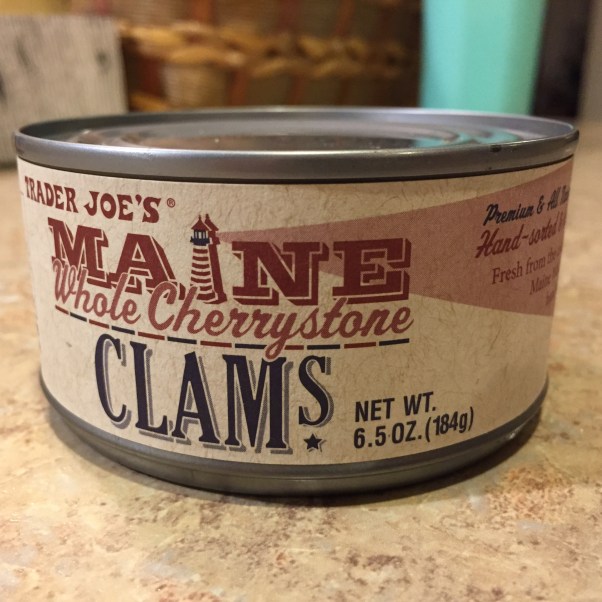
That’s why canned shellfish, like whole cherrystone clams from Trader Joe’s, are a godsend. I enjoyed the canned clams in a salad but you could always to do a low-carb version of linguine and clams by using zucchini noodles.

Clams_1

The can pictured above contains 1g of fat, 2g of carbs and 12g of protein. These canned clams also contain almost 40% of our recommended daily allowance of iron, a significant amount of vitamin B12 and several other hard to get minerals.

According to a prominent nutrition specialist (who I’ll get into more about in a minute), these nutritional benefits can also prevent several chronic health conditions that are affecting more and more people each year.

Functional medicine practitioner and ancestral nutrition expert Chris Kresser outlined in a recent episode of his podcast (link) that nutrients in clams and oysters, particularly zinc and several B vitamins, can help prevent health conditions like anxiety and depression. He even suggests that those on mostly plant-based diets should consider having two servings of shellfish like clams and oysters a week because their diets are usually deficient in the previously mentioned nutrients.

Even though I agree with this recommendation based on potential health benefits and bivalves perceived inability to suffer (no brain or central nervous system), I’m not going to tell people what they should and should not eat. I want people to be as a healthy as possible, but individuals’ dietary choices are their own. I’m simply here to provide you with knowledge about certain foods that you may not have been aware of. What you do with that knowledge is your decision.

If you are someone that incorporates animal protein into your diet, consider adding canned clams or oysters to your grocery list. If you are already a fan these shellfish feel free to send your favorite recipes to elementaltampa@gmail.com. If there is anyone out there with a oyster Rockefeller recipe, please send it my way!

What’s on the Menu – Office Friendly Seafood Snack

I claimed in the title, and on Instagram, that this week’s menu spotlight can be an exception to the “no fish” rule that most office lunchrooms advertise. I make that claim for two reasons: smoked salmon does not have to be warmed up in the microwave to be enjoyed and I’ve never worked in an office before. Which is why you should take my office friendly claim for smoked salmon with certain level of skepticism.

One thing I can tell you with the utmost certainty is that smoked salmon is a FANTASTIC healthy snack food. Two ounces of wild caught sockeye smoked salmon from Trader Joe’s contains 6g of fat, 12g of protein and zero carbs. I always harp on the fact that you should try to eat foods that provide a significant amount of protein and/or fat because they’ll keep you fuller longer, which will prevent you from forging for snacks during the day. Not only does smoked salmon provide both those macronutrients, but the fat contained in smoked salmon is not only healthy, it’s essential.

kodiak-brown-bear-2042153_1280

This bear knows whats up

Essential nutrients are nutrients that are body is incapable of producing on its own, which means we must obtain them through diet or supplementation. One such essential nutrient that all types of salmon (fresh, smoked, canned, etc.) is high in is omega 3 fatty acids. Research has shown that consuming omega 3 fatty acids on regular basis has been linked to decreased inflammation, lowered blood pressure and improved function of the cells that line your arteries (source). These benefits are uber important since according to the World Health Organization (WHO), the leading cause of death worldwide for last 15 years has been heart disease. Can you see why I’m such a fan?!

Let’s review: Salmon, specifically smoked salmon, doesn’t have a pungent fishy smell, IMO; it contains a significant amount of protein, which will help prevent additional snacking; it contains omega 3 fatty acids, which can help you avoid the #1 leading cause of death worldwide! The only problem I see is that a 4 oz package cost almost $9. But honestly, it’s a fair price to pay for a food that is packed with life saving nutrients.

I can eat it straight from the package but I know lots of people love adding some cream cheese and capers (yes, I purposely left out the bagel). Let us know how you enjoy your smoked salmon. We’d also love know what “nutritional powerhouse” foods you snack on. Leave your feedback in the comment section below and hit us up at elementaltampa@gmail.com.

smoked-salmon

Addicted To Fitness Show Notes – A Conversation with the Creators of the Hemp & Coffee Exchange

I go into each podcast with a general outline of what topics I want Shannon and I to address, but we rarely stick to our outline. I’m not complaining because these seemingly scheduled detours lead to great conversations. Which is why it was no surprise to me that this week’s episode of Addicted to Fitness unfolded in a way that I could have never imagined.

We took the podcast on the road this week to meet with the creators of an innovative coffee beverage. Jeremy Denny and Brett Schwencke are the owners/operators of the Hemp & Coffee Exchange, which focuses on providing “sustainable and progressive products to the conscientious consumer by focusing on renewable hemp merchandise and high quality consumables.” Their premier “high quality consumable” is a super coffee that combines the nutritional benefits of hemp hearts or seeds with single origin green coffee beans that they roast themselves. I was first turned on to their product by seeing a bag of it at my local coffee shop. This discovery led Shannon and I to take a trip out to Jeremy’s “Tiny Ranch” for a taste test of their products. What we got was an experience of a lifetime.

thcpodcast2

Before we sat down for the podcast, Jeremy showed us around his small estate, introduced us to his four legged friends and demonstrated his affinity to a sustainable lifestyle. After our tour, Shannon and I sat down with Brett and Jeremy and began going over the history of the The Hemp & Coffee exchange. Jeremy’s extensive culinary experience combined with Brett’s knowledge of the hemp industry allowed them to create a unique product that meant both of their ridiculously high standards. Jeremy explained how combining hemp with coffee can provide additional macro and micronutrients not normally found in coffee like omega 3 & 6 fatty acids and fiber. Brett informed us that not only is hemp nutritionally beneficial, but farming it in the United States, where it is currently illegal to mass produce, could help rejuvenate our dwindling agriculture industry. Shannon and I were sold on the nutritional and environmental aspects of the super coffee, but what about the taste?

thcpodcast3

The first blend we tasted was a combination of hemp seeds and coffee. Our first immediate reaction was that it tasted very similar to tea. We were both drinking it black and were surprised by how subtle the flavor was. Shannon normally can’t handle black coffee, but she had no problem with this blend. We then tasted the combination of the hemp hearts and coffee. Right away I could tell that I preferred this one. The hemp hearts provided a creamy and nutty flavor similar to that of my non-dairy bulletproof coffee. Interesting enough, Jeremy and Brett stated that their hemp coffee provided the same nutritional benefits, if not more than that of bulletproof coffee. Take that Dave Asprey!

thcpodcast1

Jeremy and Brett from the THCexhange

I hope I’ve conveyed the fact that this episode is much more than just a taste test or interview podcast. You really have to listen to the episode to get the full scope of the discussion. Our conversation with Jeremy and Brett was not only educational, it was inspirational. Meeting and speaking with like minded people that are focused on sustainability, whether it be environmentally or nutritionally, is one of the main objectives of the Addicted to Fitness podcast. Do yourself a favor and order a bag of super coffee on the Hemp & Coffee Exchange website, and connect with Jeremy and Brett on their various social channels (Facebook, Instagram and Twitter).

thc-podcast

We really hope you enjoy episodes like this. If you do, please let us know. You can send us feedback at elementaltampa@gmail.com or leave us a rating and review in iTunes. We hope you enjoy the podcast as much as we enjoy producing it. Thanks again for your support and stay healthy this week peeps!

Links to this week’s episode

iTunes: https://itunes.apple.com/us/podcast/conversation-creators-hemp-coffee-exchange/id1121420986?i=1000381428238&mt=2

Android: http://subscribeonandroid.com/addictedtofitness.libsyn.com/rss

Website: http://addictedtofitness.libsyn.com/a-conversation-with-the-creators-of-the-hemp-coffee-exchange


What’s on the Menu – Following KISS

I’ve discovered that following KISS has brought a certain level of ease to my life. Just to clarify I’m not talking about the rock band Kiss. I’m referring to the acronym KISS, which stands for “Keep It Simple Stupid.” I try to apply KISS to all aspects of my life, but one aspect in which I use it the most is my nutrition. I’ve tried my best to convey my predisposition to consuming food & drink that consists of the fewest whole ingredients possible. Which is why it should be no surprise that my preferred protein powder consists of only one ingredient.

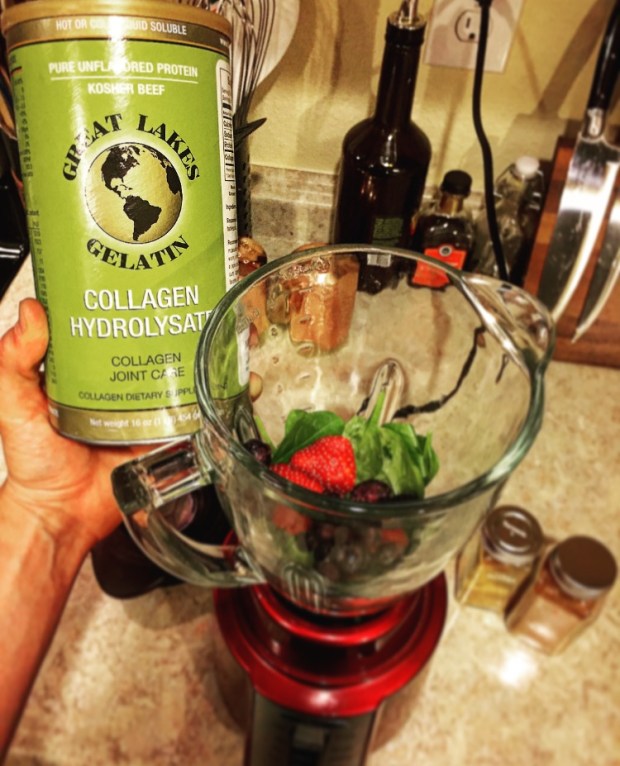
The ever expanding selection of protein powders has, in my opinion, reached a ridiculous level. Trying to be educated on the laundry list of ingredients contained in certain protein powders can be even more overwhelming. That’s why I use collagen hydrolysate from Great Lakes when I want to add a little protein to my morning coffee or veggie & fruit smoothie. This brand of collagen hydrolysate is created by the application of heat and/or enzymes to beef collagen from grass fed cows to change its molecular weight. The change in molecular weight is what gives the hydrolysate the ability to dissolve in both hot and cold liquids. Not only does it dissolve in essentially any beverage, it is LEGITIMATELY unflavored. They don’t add any real or artificial sweeteners in an attempt to make your healthy meal replacement drink into a nummy milkshake. Nutritionally speaking, 1 tbsp contains 25 calories, 6g of protein and 0g of both carbs and fat. It is a pure protein that is high in amino acids like glycine, lysine and proline which are essential for the growth of hair, skin, muscle, cartilage and ligament cells (source). Oh and the price? Try about $23 for the can pictured below, which contains about thirty-one 2 tbsp servings. I’ll admit that the health benefits and affordability of this protein supplement are enticing, but it’s the recommendations from health & nutrition professionals I trust that really sold me on it.

I’ve heard nutrition experts like Vinnie Tortorich, Anna Vocino and Dr. Rhonda Patrick recommend Great Lakes collagen hydrolysate many times. I’ve even seen Tim Ferriss feature it in a recent video about his morning routine. I trust these experts and appreciate the fact that this particular protein powder matches my KISS approach to nutrition. Let us know if you practice KISS and which areas of your life you apply it to. Feel free to send us feedback at nick@elementaltampa.com or hit us up on Facebook, Instagram or Twitter.

protein-powder

Addicted to Fitness Show Notes – From the Vault: Protein Preferences

I got my toes in the water, ass in the sand. Not a worry in the world, cold beer in my hand. Life is good today. Life is good today

I imagine I’ll be humming along to this Zac Brown tune while you all listening to this week’s podcast. Shannon and I are off to Mexico for a friend’s wedding, but we don’t want to leave you loyal listeners without your weekly dose of health and fitness information. Which is why we reached into the ETT Wrap show vault for a throwback episode of the Addicted to Fitness podcast.

Shannon and I start off this classic episode discussing our weekly workouts, group training and ETT’s first team competition, the Mud Endeavor 5k. For those unfamiliar with the Mud Endeavor, its a great obstacle course race based out of West Central Florida. Having already ran this race, I highly recommend it and suggest anyone looking to challenge themselves, consider obstacle course racing. After all the mudrun talk, we get into the real “meat” of the episode.

The remainder of the podcast focuses on the wide variety of protein sources available to meateaters and non-meateaters. Shannon describes her experience as a vegan and lists off her go-to protein sources (legumes, nuts, seeds) along with what type of supplements she had to take in order to get all her essential nutrients (B12 & iron to name a few). We also read off a ton of our listeners favorite protein sources which include peanut butter, yogurt, eggs, cricket flour, red meat and many more. Reeling off our protein preferences leads to an interesting discussion about the importance of gut health, which we will definitely be talking more about in a future episode.

podcast-pic-2-13

We’ve got a lot of great podcasts lined up for you all, including next week’s episode which I believe is our best episode to date. You’ll definitely want to subscribe to the podcast if you haven’t done so already, and please rate, review and share Addicted to Fitness with anyone and everyone. Thanks again for all the support and stay healthy this week peeps!

Links to the Addicted to Fitness podcast

iTunes: https://itunes.apple.com/us/podcast/addicted-to-fitness-podcast/id1121420986?mt=2#episodeGuid=ff12ecccd3885916e7d604ce5fdecb63

Android: http://subscribeonandroid.com/addictedtofitness.libsyn.com/rss

Website: http://addictedtofitness.libsyn.com/from-the-vault-protein-preferences-for-vegans-meateaters