food

What’s on the Menu – Looks like Popeye was Right

I had a stout aversion to any green vegetables growing up. I don’t know if it’s a phase all kids go through, but the idea of eating peas, broccoli or kale made me physically ill. My parents gave up trying to incorporate green veggies into my diet after an unfortunate “messy” situation at the kitchen table. Those scarring experiences are probably why my parents, and other relatives, are still astonished when they see me pile green veggies on my plate nowadays.

One such green veggie that seems to make it into my diet on a daily basis is spinach. To be honest with you, I actually have to limit how much spinach I eat. It’s not because I’m prone to kidney stones, which the oxalates in spinach can contribute to, it’s because Shannon and I eat so much that we’d have to buy a new container multiple times a week. If you listened to this week’s Addicted to Fitness (episode link) you’d know that we buy it organically grown since the conventionally grown version contains high pesticide levels. I’d hate to go broke over spinach, but its health benefits are so prolific that its worth spending a little extra cash.

Spinach4

I’m sure you’ve heard some of the major health benefits that spinach provides: high in numerous water & fat soluble vitamins (K, A, B6, Folate), minerals (magnesium, copper, iron) and fiber. What you may not be aware of are the potential health benefits of its “lesser” known micronutrients.

Spinach happens to be one of the richest sources of chlorophyll (substance that makes it green) on the planet, which means it’s also one of the richest sources of thylakoids. Recent research using spinach extract containing high levels of thylakoids has been shown to delay stomach emptying, decrease levels of hunger-related hormones and increase levels of satiety-related hormones. This research suggests that spinach extracts may be a viable treatment method for obesity and type 2 diabetes (source). In addition to its numerous health benefits, the mild taste of spinach makes it a welcome addition to a variety of dishes.
Spinach smoothie

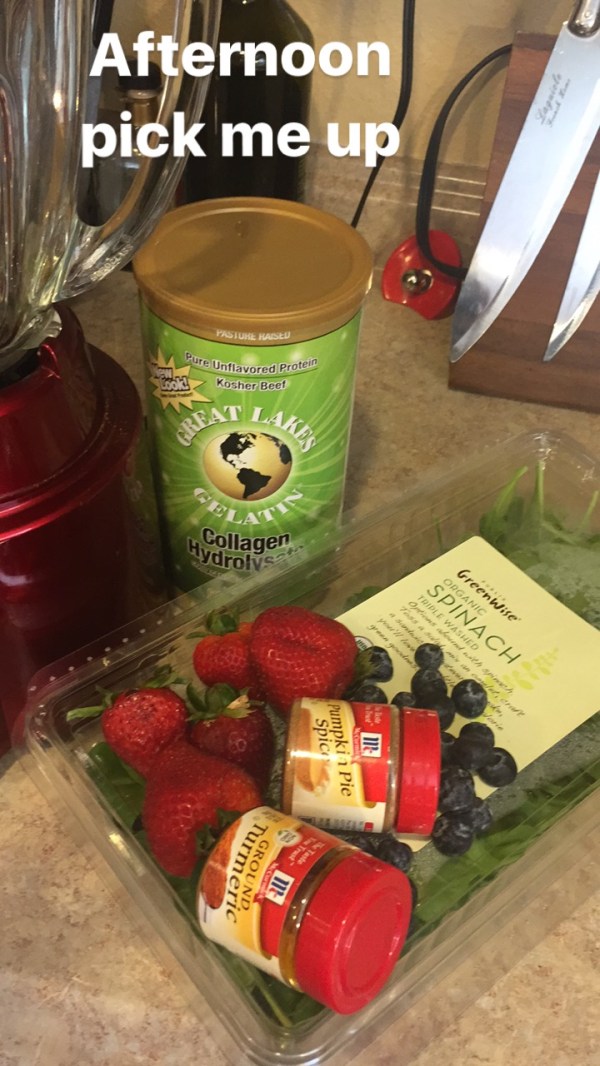
Naturally I incorporate spinach into any salad I make, but the one meal that I always add spinach to that may come as a surprise to some is my homemade smoothie. Vegetable and fruit smoothies are a great way to add more dark leafy greens into your diet. My go-to recipe includes:

  • A big handful of spinach
  • 1/3 cup of blueberries
  • 1/3 cup of strawberries
  • 3 tbsp of Collagen Hydrolysate protein powder
  • 2 tsp of cinnamon & turmeric

I don’t think I’ve found a dish that I wouldn’t add spinach too. Even though I haven’t tried it in a dessert, I’m certain I wouldn’t turn down a bowl of spinach ice cream. Please feel free to share your favorite spinach recipe in the comment section below or email them to us at elementaltampa@gmail.com. You can also share pics of your delicious spinach meals on our Facebook page. Click here and post away!
What’s on the Menu – Not So Sweet Potato

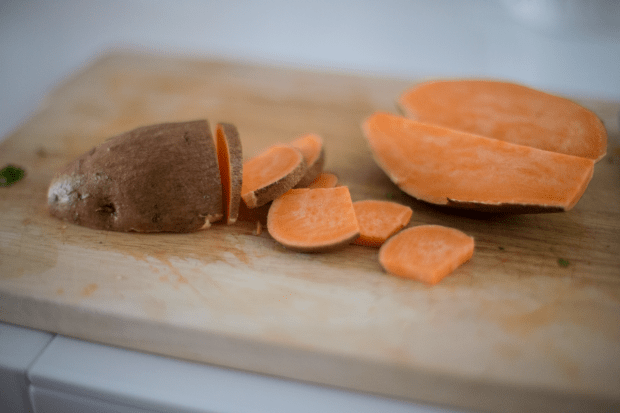
I really think the sweet potato should thank the Paleo movement for its recent rise in popularity. I grew up on a farm and the only time I recall seeing and/or eating sweet potatoes was in pie form at Thanksgiving. But then the paleo diet started to gain popularity in the early 2000s and BOOM! Sweet potatoes were in vogue.

I should mention that there is some debate amongst paleo diet followers if sweet potatoes are “paleo” or not. Regardless, I think sweet potato farmers should thank Robb Wolf and Dr. Loren Cordain for the 80% increase in consumption of their product in the U.S. between 2000 – 2014 (source). Shannon and I have certainly done our part to contribute to that increase as sweet potatoes frequently make their way into our weekly meal plans, and why not! They provide significant amounts of essential nutrients like fiber, vitamin C & B6 and manganese. They also provide more of the antioxidant beta-carotene than any other whole food on the planet (source). But what about their sugar content? Well, the actual truth of their sweetness may surprise you.

pexels-photo-89247

The glycemic index (GI) & glycemic load (GL) chart is a good tool to use when you’re trying to determine your body’s blood sugar & insulin response to certain foods (click here to see chart).  If you check out the chart you’ll see that sweet potatoes have a lower GI and GL than russet potatoes. If you’re trying to maintain a strict diet that contains only low GI & GL foods, a baked sweet potato may not be an option. Luckily there is a certain way to prepare sweet potatoes that will significantly lower their GI & GL.

While a baked sweet potato contains a relatively high GL of 22, a boiled sweet potato contains a GL of only 11 (source). This is great news! Wanna know why? Because in order to absorb more of those awesome nutrients contained in the sweet potato, you need to add fat to them. See where I’m going with this? That’s right, mashed sweet potatoes with butter and heavy cream may be the healthiest way to enjoy this multipurpose starch. You can also toss the steamed sweet potatoes in olive oil if you’re lactose intolerant.

Sweet potato pic

Sweet Tater Chips – One of my fav preparation methods

Above you’ll see a pic of my sweet potato “chips” before they head into the oven. No, they’re not exactly low carb, but they are covered in butter and olive oil. If you’re interested in indulging in these every once in a while, you’ll need a stainless steel vegetable slicer to CAREFULLY cut the sweet potato nice and thin. Coat them and a foil lined baking sheet in butter and/or olive oil and bake them at 400 degrees for approximately 15 minutes. Take’em out, flip’em, and cook for another 10-15 minutes. You can broil them for a few minutes at the end if you want to crisp them up.

Now that I’ve share one of my favorite sweet potato recipes, it’s time for you to return the favor. Feel free to send your recipes, complete with pictures, to us on Facebook, Instagram or Twitter. You can also email them to us at elementaltampa@gmail.com. We appreciate all feedback, especially the tasty kind.

What’s on the Menu – Superfoods in my Backyard

The Florida Strawberry festival takes place every year in the small, rustic town of Plant City. The event has been going strong for over 80 years, and it continues to grow each year with the addition of rides, livestock contests and popular music acts like Little Big Town, Rascal Flatts and Elle King (one of Shannon’s personal fav’s). The vast majority of the food at the festival is typical fair food; deep-fried and/or covered in sugar. However, the festival’s namesake is readily available and it when it comes to nutrient rich foods, it’s hard to beat strawberries, or any berries for that matter.

Strawberry shortcake

I consider myself pretty lucky to live in an area that has access to substantial berry crops every year. The farms in my area plant over 10,000 acres of strawberries annually, along with other berries like blueberries and blackberries (source). You best believe that when berry season rolls around, Shannon and I stock up on a weekly basis.  Not only do they taste delicious, but they’re often considered a superfood because of their nutritional benefits.

Possible health benefits associated with eating berries include reduced disease susceptibility, increased insulin sensitivity and improved arterial function. They are also high in essential nutrients (ones our bodies can’t make) like vitamin C, K, manganese and folate (source). I’m a huge berry fan, but I’d be remiss if I didn’t mention strawberry’s regular appearance on the Environmental Working Group’s (EWG) Dirty Dozen List.

Wish farms berries

Organic berries from Florida’s Wish Farms

Since 2004, the EWG has been creating lists of the dirtiest and cleanest produce in regards to pesticide contamination. Strawberries often find themselves at the top of the “dirty” list, most likely due to year round production brought on by high demand. According to EWG’s website, Americans individually eat an average of 8 pounds of strawberries a year. Even though we’re still discovering what negative side effects eating foods containing pesticides can have on our health, the EWG recommends that you buy organically grown strawberries whenever possible. If you like to check out what other produce made it onto EWG’s lists, head on over to their website.

Menu pic 3-30

I believe the reporting of high contamination levels in produce like strawberries will help increase the demand for organically grown produce. The overuse of pesticides and the negative effect its had on our agricultural industry is a discussion for another day.

Whether you buy organic or conventional berries, I want to hear how you prefer to enjoy them. Do you throw them into a smoothie, add them to yogurt, or just eat them by the handful like I do? However you enjoy them, please feel free to let us know by leaving a response in the comment section below or emailing it to us at elementaltampa@gmail.com.

What’s on the Menu – Efficiency Nut

I don’t know who the PR person for walnuts is, but I feel like they’re doing a pretty lackluster job. Pistachios has Richard Sherman and a giant cartoon elephant, voiced by John Cena, telling me to pick up a bag. California almonds have SportsCenter anchors pushing them and it seems like Mr.Peanut as been telling us to eat peanuts, which aren’t nuts, before the TV was even invented. All these nuts are getting positive press, but the walnut is still waiting for its big break.

https://www.youtube.com/watch?v=4IxAA2GsLE8

I think I may have an idea of why walnuts aren’t getting promoted as much as they should. The outside of a shelled walnut is covered in a thin, paper-like “skin” that some people attest to having a bitter taste. The flavor of the skin can be off-putting to certain folks, but much like an apple, there are a ton of nutrients in the skin of a walnut.  It’s believed that 90% of the walnuts beneficial organic compounds are contained in the skin.

food-walnut-nut

The beneficial compounds contained in walnuts include a special form of vitamin E, hard to find antioxidants and the highest alpha linolenic acid (omega-3) concentration of any nut (source). The positive health aspects of walnuts prompted the Hospital Clinic of Barcelona and Loma Linda University to conduct a study on the daily consumption of walnuts. Preliminary results of the study suggest that daily consumption of 1.5 oz of walnuts can reduce LDL cholesterol & inflammation which can lower your chance of developing heart disease (source).

MenuPic 3-23

If all these health benefits aren’t enough to make you run out to buy a bag of walnuts, the fact that they are one of the cheaper nuts should be all the convincing you need. Raw nuts, which is what you should buy if you want the maximum health benefits, can be a bit pricey. However, compared to cashews, almonds or the luxurious macadamia nut, walnuts are at least $1 cheaper per pound (according to my research).

Walnuts: the nut with the highest ROI. It’s no “get crackin'” but I think it has potential. Let me know if you have any suggestions on what walnuts’ promotional catch phrase should be. You can connect with us on Facebook, Instagram or Twitter or email us at elementaltampa@gmail.com.

What’s on the Menu – Kombucha: Legit Elixir or Placebo Soda?

I truly believe that we can heal ourselves of common ailments (colds, acne, obesity, etc.) with proper diet and exercise. That doesn’t mean that I think all prescription medication is poison. There are certain conditions that require a trip to a medical professional and a necessary prescription. However, the over prescription of certain drugs can and has led to further health concerns like antibiotic resistant bacteria. That’s why we need to learn about possible natural remedies that allow us to heal ourselves, instead of always relying on our pharmacist. One particular natural remedy has been receiving a lot of pub lately about its numerous health benefits, but conflicting reports make me wonder if it’s really the “miracle drink” people claim it is.

Kombucha is a fermented beverage often referred to as “living tea.” It is made by combining sugar and tea leaves with a symbiotic culture of bacteria and yeast known as SCOBY. The final product is a slightly fizzy, sour beverage that claims to boost your immune system, help with digestion, provide energy and even mitigate serious health conditions like cancer.

Kombucha

Mother Kombucha is available throughout Florida

I’m a big proponent of probiotics. I guess you could say I’m pro-pro (rim shot). The benefits of probiotics range from better gut health to improved mood (source link). The fact that kombucha is full of these probiotics, along with other beneficial micronutrients, is why advocates believe it will cure what ails you. There has been some recent scientific studies that backup certain health benefits of kombucha like its antidiabetic (source link) and antioxidant (source link) effect, but almost all these studies were performed on non-human subjects. Critics have stated that a lack of research on human subjects negate a lot of kombucha’s supposed health benefits. They also state that kombucha prepared in unsanitary conditions could result in the consumption of deadly bacteria (source link).

I researched “deaths due to kombucha consumption” and was unable to find any cases in which drinking kombucha was directly responsible and only one case where it was believed to be a contributing factor (source link). It’s true due to the presence of active bacteria cultures, drinking kombucha does present some level of risk, but so does buying bagged spinach. Foodborne illnesses are an issue we need to be aware of. However, it shouldn’t prevent us from consuming items that provide certain health benefits. Kombucha has been consumed for centuries for a reason. I believe that the “living tea” does provide certain health benefits, but it should be enjoyed in moderation and by those with non-compromised immune systems. Also, if you do buy it, makes sure you research the producer. I’m sure where and how the kombucha is made can have an effect on its purity.

Are you a kombucha fan? If so, let us know about your favorite brand. Feel free to send pics of you drinking your favorite kombucha to elementaltampa@gmail.com. We’d also happily accept any feedback from any kombucha naysayers.


What’s on the Menu – The Raw Bar May Have What You Need to Live a Happier Life

Before I became immersed in health & fitness, I spent a significant amount of time working in bivalve aquaculture.

For all of you who are wondering what bivalve aquaculture is, it’s essentially the captive breeding of shellfish like clams, oysters and/or scallops for either species restoration or commercial purposes. Sounds a lot like agriculture right? Well that’s because it is.

Aquaculturists create “seeds” by spawning mature animals, caring for and feeding the immature “seeds” until they are big enough to be “planted” in a body of water, where they can further develop. This prior experience taught me the importance of shellfish, not only to our environment, but also to our health.

Clams_2

Shellfish are truly some of the most nutritious foods on the planet. I’ve been lucky enough to have access to a lot of fresh shellfish in my life, but temporal and geographic limitations can make that an impossibility for many people.

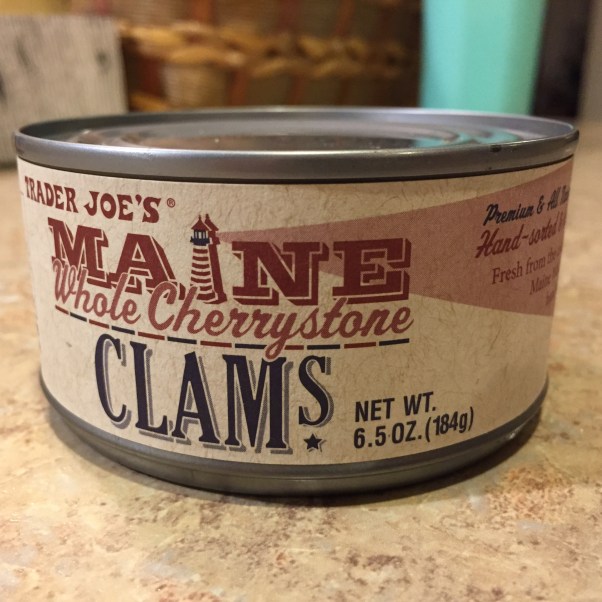
That’s why canned shellfish, like whole cherrystone clams from Trader Joe’s, are a godsend. I enjoyed the canned clams in a salad but you could always to do a low-carb version of linguine and clams by using zucchini noodles.

Clams_1

The can pictured above contains 1g of fat, 2g of carbs and 12g of protein. These canned clams also contain almost 40% of our recommended daily allowance of iron, a significant amount of vitamin B12 and several other hard to get minerals.

According to a prominent nutrition specialist (who I’ll get into more about in a minute), these nutritional benefits can also prevent several chronic health conditions that are affecting more and more people each year.

Functional medicine practitioner and ancestral nutrition expert Chris Kresser outlined in a recent episode of his podcast (link) that nutrients in clams and oysters, particularly zinc and several B vitamins, can help prevent health conditions like anxiety and depression. He even suggests that those on mostly plant-based diets should consider having two servings of shellfish like clams and oysters a week because their diets are usually deficient in the previously mentioned nutrients.

Even though I agree with this recommendation based on potential health benefits and bivalves perceived inability to suffer (no brain or central nervous system), I’m not going to tell people what they should and should not eat. I want people to be as a healthy as possible, but individuals’ dietary choices are their own. I’m simply here to provide you with knowledge about certain foods that you may not have been aware of. What you do with that knowledge is your decision.

If you are someone that incorporates animal protein into your diet, consider adding canned clams or oysters to your grocery list. If you are already a fan these shellfish feel free to send your favorite recipes to elementaltampa@gmail.com. If there is anyone out there with a oyster Rockefeller recipe, please send it my way!

What’s on the Menu – They’re Not Just For Dipping

I don’t know why but it seems like every casual dining restaurant has the same six appetizers. Doesn’t matter if you are at an Applebee’s, Bennigans, or TGIFriday’s, the “starters” portion of the menu usually contains wings, mozzarella sticks, chips & salsa and one particular item that contains today’s menu spotlight. I highly doubt they know that the artichoke dip they sell contains one of the most powerful cancer fighting foods on the planet.

Even though artichoke’s presence on casual dining menus is most likely a happy accident, it doesn’t mean we shouldn’t celebrate the nutritional benefits of this vegetable. One medium size artichoke (about 120g) contains nearly 25% of our recommended daily allowance (RDA) for fiber. It is also contains a significant amount of folate and vitamin K which are especially important to expectant mothers (source). All these nutrients are great, but the purpose of this blog is to highlight the cancer fighting properties of artichokes.

artichokes-759753_1920

One of the reasons why cancer cells propagate is due to oxidation which is caused by a build up of free radicals in our body. In order to reduce the negative effects of oxidation, our body produces antioxidants and we acquire them from the food & drinks we consume. Artichokes just happen to contain some of the most powerful antioxidants on the planet. Cynarin, rutin and the other antioxidants from artichokes have been shown to reduce the cell growth of certain forms of cancer in clinical studies (source). You should put THAT fun fact on your menu Cheddar’s!

I doubt that if you combine artichokes with cheese and mayo like those restaurant appetizers do that you’ll get the same health benefits as just grilling them. Shannon and I have used them recently to make a delicious Tuscan Chicken Skillet meal, that I contend wouldn’t be the same without the artichokes. Send us your go to artichoke recipes and don’t forget to include pictures. You can always reach us on social media or send us an email at elementaltampa@gmail.com.

artichokes


What’s on the Menu – Office Friendly Seafood Snack

I claimed in the title, and on Instagram, that this week’s menu spotlight can be an exception to the “no fish” rule that most office lunchrooms advertise. I make that claim for two reasons: smoked salmon does not have to be warmed up in the microwave to be enjoyed and I’ve never worked in an office before. Which is why you should take my office friendly claim for smoked salmon with certain level of skepticism.

One thing I can tell you with the utmost certainty is that smoked salmon is a FANTASTIC healthy snack food. Two ounces of wild caught sockeye smoked salmon from Trader Joe’s contains 6g of fat, 12g of protein and zero carbs. I always harp on the fact that you should try to eat foods that provide a significant amount of protein and/or fat because they’ll keep you fuller longer, which will prevent you from forging for snacks during the day. Not only does smoked salmon provide both those macronutrients, but the fat contained in smoked salmon is not only healthy, it’s essential.

kodiak-brown-bear-2042153_1280

This bear knows whats up

Essential nutrients are nutrients that are body is incapable of producing on its own, which means we must obtain them through diet or supplementation. One such essential nutrient that all types of salmon (fresh, smoked, canned, etc.) is high in is omega 3 fatty acids. Research has shown that consuming omega 3 fatty acids on regular basis has been linked to decreased inflammation, lowered blood pressure and improved function of the cells that line your arteries (source). These benefits are uber important since according to the World Health Organization (WHO), the leading cause of death worldwide for last 15 years has been heart disease. Can you see why I’m such a fan?!

Let’s review: Salmon, specifically smoked salmon, doesn’t have a pungent fishy smell, IMO; it contains a significant amount of protein, which will help prevent additional snacking; it contains omega 3 fatty acids, which can help you avoid the #1 leading cause of death worldwide! The only problem I see is that a 4 oz package cost almost $9. But honestly, it’s a fair price to pay for a food that is packed with life saving nutrients.

I can eat it straight from the package but I know lots of people love adding some cream cheese and capers (yes, I purposely left out the bagel). Let us know how you enjoy your smoked salmon. We’d also love know what “nutritional powerhouse” foods you snack on. Leave your feedback in the comment section below and hit us up at elementaltampa@gmail.com.

smoked-salmon