wellness

What’s on the Menu – The epitome of finger licking good

You all know that I hold nutrition in higher regard than taste. I don’t mind choking something down if I know it’s good for me. Sardines, raw garlic or ground turmeric in my veggie & fruit smoothie are just a few examples. I will literally punish my taste buds if I believe what I’m eating will benefit me in some capacity. I assume that certain people think that today’s menu spotlight may be one of those “less than appetizing” foods, but I can assure you that it’s not.

I believe it’s safe for me to assume that you know the main ingredient of chicken liver pate is chicken liver. I can’t attest to the flavor of chicken liver by itself, but I know that when’s its used in pate, it’s delicious. If you take a look at the recipe from the New York Times (link) cooking section it’s not hard to imagine why I’m such a fan

  1. Melt butter in pan
  2. Soften onions
  3. Add chicken livers to pan; cook till brown on the outside
  4. Add contents of pan + spices to food processor
  5. Puree till smooth
  6. Store in fridge for few hours till set

Menu pic 6-7

Sounds great right? Well I can testify that it is, and the fact that the main ingredient is chicken liver makes it both delicious and nutritious. Three ounces of chicken liver contains 21 grams of protein, 5 grams of fat and significant amounts of important vitamins and nutrients. The same serving size contains 280% of our daily value (DV) of vitamin A & B12. It also contains 160% and 40% of our DVs for folate and iron respectively, both of which are extremely important to fetal development (source). We’ll discuss if expectant mothers should eat chicken liver a little later on in this post.

It’s clear that chicken liver is nutitrious, but what about chicken liver pate? According to the MyFitnessPal website, 2 ounces of my preferred store bought chicken liver pate (pictured below) contains 19 grams of fat (6 grams saturated) and only 5 grams of protein.

It’s a downright switch-a-roo of the macros compared to chicken liver by itself. The pate also contains 30% DV of vitamin A and 10% DV of iron (source). Plenty of fat, which you know I’m a fan of, but a little lacking in the protein department. Still a nutritious snack, in my opinion, but I’d definitely be better off just eating liver. Another aspect I need to factor in for the pate is source of the liver.

pexels-photo-197058

As we’ve discussed in previous menu spotlights, where and how an animal was raised affects its nutrition. My Trader Joe’s chicken liver pate was produced in the U.S. and inspected by the Dept of Agriculture, but it is very possible that it didn’t live the most optimal life. Now that I know how easy pate is to make, I should acquire chicken livers from my local farmers and just make my own. Stay tuned for that future post!

Before we wrap up today’s post I just want to address two issues. First, I’m happy to inform you that livers are NOT a storage facility for “toxins.” The liver’s job is to send the toxins to the systems responsible for expelling them or storing them. Also, certain studies suggest that pregnant women can eat liver without worry of vitamin A toxicity affecting their fetus (source). ONCE AGAIN, I’m not a doctor, just a reporter of data. If you are pregnant, I’d consult a health professional before eating liver.

I may not be a doctor, but I am a lover a feedback. Which is why you should feel free to send any feedback, liver related or not, to elementaltampa@gmail.com. We love pics, recipes and even videos of you doing something fitness related. Don’t forget to connect with us on social media (Facebook, Instagram or Twitter). We’d love to know if you’ve tasted the yummy goodness of chicken liver pate.


Addicted to Fitness Show Notes – An Interview with Strength & Conditioning Expert Steve “Coach Fury” Holiner

We start off this week’s Addicted to Fitness podcast reminising about our Memorial Day weekend. Shannon and I indulged a little during the holiday, but were still able to eat relatively clean thanks to healthy recipes like Shannon’s berry dessert and veggie burgers. We also logged several rides on the Peloton cycle and thanks to her customized maternity fitness wear, Shannon is back to enjoying her rides on the bike.

As much as we enjoy recapping our weekly exercise and nutrition, that’s not what this episode is all about. This week’s Addicted to Fitness features an interview with a functional strength expert known to his friends and clients as Coach Fury.

Coach fury 1

Steve Holiner, aka Coach Fury, started his love affair with functional training when he took a kettlebell class at the famous Five Points Martial Arts academy (link) in New York City. After being introduced to kettlebells, Coach Fury pursued other similar training systems like DVRT (known also as ultimate sandbag – link), Original Strength (link) and Indian Club (link). Coach Fury started as an “enthusiast and became a professional enthusiast” and is currently a Master RKC & DVRT instructor, an Original Strength Lead instructor and a Strength Faction (link) lead mentor.

Coach Fury recently transitioned his training from primarily in-person personal training to more online remote training. His online training program, known better as “Die Mighty” online training, appeals mostly to general population clients and trainers looking to improve their skills. Coach Fury’s “Die Mighty” mission statement derives from his desire to help individuals lead long and vibrant lives. He hopes his training allows his clients to move well, without pain well into old age.

In addition to being a strength coach & educator, Coach Fury is also a self proclaimed film geek. He is a former visual effects producer and frequently posts film reviews on his Instagram (link) & YouTube (link) channels. You can check out these reviews and much more content from Coach Fury by visiting his website coachfury.com. You can also check him out on Facebook (link) and Twitter (link). If you reach out to him make sure you tell him that you learned about him from the Addicted to Fitness podcast

Podcast pic 6-5

I really enjoyed speaking with Coach Fury. As someone who is still a relatively new trainer, gathering information from health & fitness experts is a must if I want to develop as a trainer. If you know of the next expert we should interview, please feel free to email your suggestion to elementaltampa@gmail.com.

You can also send any feedback you have on the content, structure or flow of the podcast. We are always trying to improve in order to bring you a better product each week. Keep listening, sharing and rating the podcast and stay healthy this week peeps!

Links to this week’s episode

iTunes: https://itunes.apple.com/us/podcast/addicted-to-fitness-podcast/id1121420986?mt=2#episodeGuid=3e4763a63144cda54cac298b03ac51c8

Android: http://subscribeonandroid.com/addictedtofitness.libsyn.com/rss

Website: http://addictedtofitness.libsyn.com/an-interview-with-strength-conditioning-expert-steve-coach-fury-holiner

What’s on the Menu – We may be getting a bit nutty

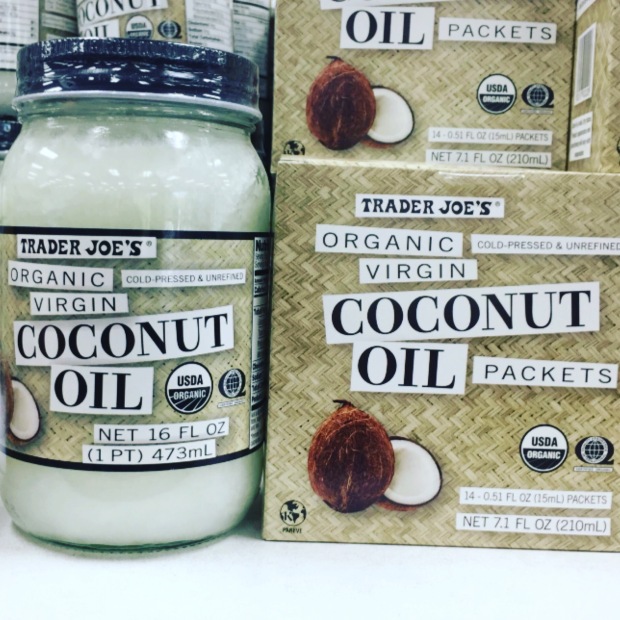
I believe the first time I heard about the benefits of coconut oil was when I heard Dave Asprey (creator of Bulletproof coffee) talk about it on Joe Rogan’s podcast back in 2012. Asprey described how his bulletproof coffee, which contained an ingredient prominent in coconut oil, helped him lose weight, have more energy and be sharper mentally. Even though I wasn’t quite prepared to start downing his bulletproof coffee, I began hearing more and more individuals I consider experts in nutrition and/or medicine talk about the benefits of coconut oil.  People like Vinnie Tortorich, Dr. Rhonda Patrick and Mark Sisson were signing its praises, which in my mind gave me the greenlight to start incorporating it into my diet anyway possible.

I know I’ve talked about my love for coconut oil many times on this blog. Heck, I think Shannon and I have done at least two Addicted to Fitness episodes where we taste tested a coffee + coconut oil concoction (click here to listen). However, I recently learned that my LDL cholesterol is extremely high. I believe the primary culprit for this is my genes, but I’m also analyzing items in my diet that may drive up “bad” cholesterol. Which is why I’m gonna take a closer look at a few of the pros & cons associated with coconut oil consumption.

Pros

  • Contains medium chain triglycerides (MCTs) which unlike long chain triglycerides can be easily accessed by the body as an energy source and are less likely to be stored as fat (source)
  • Contains high concentrations of lauric acid, which has been shown to aid in the treatment of viral, bacterial and fungal infections (source)
  • The consumption of MCTs may increase “good” HDL cholesterol (source)
  • The consumption of MCTs has also been linked to improved cognitive function in Alzheimer’s patients (source)

Cons

  • Coconut oil is ~50% lauric acid which some researchers believe acts as a long chain triglyceride, which could raise “bad” LDL cholesterol (source)
  • Coconut oil only contains 10-15% MCTs (if you subtract lauric acid), which greatly reduces its ability to boost metabolism (source)
  • Certain commercially sold coconut oils can be highly refined & processed which greatly reduces its health benefits (source)

Menu pic 6-2

My preliminary research leads me to believe that there is much more upside to using unrefined, virgin coconut oil than downside. However, for someone like myself, who is genetic predisposed to have high LDL cholesterol, it may be wise to use it sparingly. Although, I’ve recently learned that not all LDL cholesterol is “bad” and I plan on getting more blood tests done to determine the makeup of my levels. Until then, I’ll limit my coconut oil use to cooking, instead of throwing it into smoothies & my morning coffee.

Just because I’m cutting down on my coconut oil use, it doesn’t mean I don’t want to hear how you use it. Whether it’s for cooking, skin care or cold remedy, please feel free to send your coconut oil uses to elementaltampa@gmail.com. We’d also really enjoy it if you send us a pic on our various social channels (Facebook, Instagram or Twitter).

Addicted to Fitness Show Notes – Benefits of eating seasonal produce

This episode of the Addicted to Fitness podcast is dropping on the unofficial start to summer, Memorial Day. Cookouts, pool parties and summer vacation for students & teachers are all great reasons to love this holiday. However, I’d be remiss if I didn’t mention why we celebrate this holiday in the first place. Memorial Day is the day we pay tribute to the men and women of the armed forces who gave their lives to protect our country. I know military action may be a contentious issue, but I will always show my respect to those individuals who made the ultimate sacrifice to protect this country and its citizens. Thank you to all the members of the armed forces, past and present.

Alright, on with the show notes!

sunset-flag-america-fields

This week’s training recap doesn’t really contain a lot of training. Shannon is quickly approaching her 6th month of pregnancy, which means her workout clothes, specifically her pants, no longer fit. The pants she had were so uncomfortable that she was dreading her beloved Peloton cycle rides.  This prompted her to splurge on specialized maternity workout pants, which she wore while we recorded the podcast. Judging by her reaction, she really enjoyed them. She encouraged all ladies, pregnant or not, to purchase fitness wear that is functional and comfortable. It will make workouts much more enjoyable.

My portion of the training recap included a discussion of the lab results from my recent trip to the functional medicine doctor. The only test results that were issues of concern were my LDL cholesterol and vitamin D levels. After discussing my diet with my doctor, he believes that my family history and certain dietary choices are contributing to my high cholesterol levels. He suggested substituting mass produced beef & pork for sheep, lamb or game meat and incorportating more small fish (sardines, achovies, mackeral, etc.) into my diet. He also prescribed red yeast rice and vitamin D supplements to address both areas of concern (check out our past podcast on vitamin D deficiency link).

screen-shot-2016-09-12-at-5-00-33-am

Image courtesy of foundmyfitness.com

I was super pleased by how thorough my doctor was. I’m very happy that I sought out a certified function medicine practioner (click link to learn more). I’ll make sure to keep you updated on any future doctor visits and test results.

After our training recap we get into a timely discussion on seasonal produce. The optimal growing conditions of spring & early summer usually result in a a wide variety of produce at the grocery store and your local produce stand. We use an article from the Feeding South Florida website (link) to discuss the health & environmental benefits of eating seasonal produce. We also consult the seasonal produce list from the USDA (link) to find out which season you can expect to find certain produce items. You can also click here to find out when certain produce items are in season in your state.

Podcast pic 5-29

We love supporting local businesses and we couldn’t think of a better one to promote than local produce stands. Both Shannon and I have fond memories of ours growing up, and I’m sure you do too. We’d love to hear what you look forward to getting when you visit your local produce stand. Feel free to send your responses to elementaltampa@gmail.com or send us a message on any of our social channels (Facebook, Instagram or Twitter). We’d love to hear from you all.

One last thing, we’ve got another interview episode of Addicted to Fitness coming atchya next week. I don’t want give too much away about our guest, so I’ll just say two words: Coach Fury.

Links for this week’s episode

iTunes: https://itunes.apple.com/us/podcast/benefits-of-eating-seasonal-produce/id1121420986?i=1000385914079&mt=2

Android: http://subscribeonandroid.com/addictedtofitness.libsyn.com/rss

Website: http://addictedtofitness.libsyn.com/why-you-should-visit-your-local-farm-stand

What’s on the Menu – The one soft drink that doesn’t make me sick to my stomach

Yes. There is an actual difference between ginger ale and ginger beer, at least in theory. Traditional ginger beers, use fermentation to create the carbonation & usually yield a stronger ginger flavor. Ginger beer can contain alcohol, but most available nowadays do not. Ginger ale on the other hand is sweetened soda water with added ginger flavor (source). Even though I believe soft drinks can cause serious health problems, these two ginger sodas do offer moderate health benefits, but it’s certainly not because of their sugar content.

There is a reason why they offer you a ginger ale on the plane if you’re feeling nauseous. Studies performed in the last 10 years suggest that ginger can not only help with your run of the mill upset stomach, but it can also alleviate the nausea associated with sea sickness, chemotherapy and pregnancy. It’s important to know that they did not use ginger ale in these research studies. They actually determined that 1-1.5 g of ginger (raw or powdered) could alleviate symptoms associated with these various types of nausea (source). The medicinal effects of ginger don’t stop there.

pexels-photo-128403

Ginger also contains a powerful anti-inflammatory compound known as gingerol (clever name).  This compound has been linked to the reduction of certain side effects of chronic health conditions like osteoarthritis, type 2 diabetes and cancer. In fact, several recent studies have determined that gingerols “may be effective chemopreventive and/or chemotherapeutic agents” in the treatment of colorectal and ovarian cancers (source). The relief of day-to-day muscle pain provided by gingerol is another beneficial aspect.

In 2010, a small study conducted at the University of Georgia suggested that regular ginger supplementation could reduce exercise-induced muscle pain (source). As someone who essentially lives at the gym, this quality alone makes throwing a couple hunks of ginger in my smoothie or afternoon tea worth the spicy kick.

Menu pic 5-25

Much like garlic, I’ve eaten whole hunks of ginger root. However, the intense flavor can be a little much. Which is why I love cooking with it instead of swallowing it whole. I’m a big fan of sauteing up minced ginger in a pan before I toss in vegetables and shrimp for a delicious stir fry. I know it’s a big component of Asian cooking, but I’ve found that it can provide a whole new flavor to a variety of dishes.

I’d love to hear your preferred method of consuming ginger. As long as the recipe doesn’t contain the words “Canada Dry” feel free to send them to elementaltampa@gmail.com or just tweet us a picture the next time you cook with it. Our Twitter and Instagram handle is @ettampa. Let’s connect!

What’s on the Menu – I can see clearly now

None of us are getting any younger. I know that’s not exactly breaking news, but I recently reached the point in my life where I’m beginning to feel the effects of aging. I cruised through my 20s with little concern every time my birthday rolled around. Now, as I inch closer to 34, I’m starting to experience issues that would have never affected me 5 years ago.

My muscles take a little longer to recover from a tough workout. It’s hard for me to be energetic the day after a poor night’s sleep and if I decide to forgo “clean eating” for a night, my digestive system is in turmoil for at least 24 hours. Fortunately, there is one bodily function that has yet to be touched by the hands of father time and I believe that has a lot to do with today’s menu spotlight.

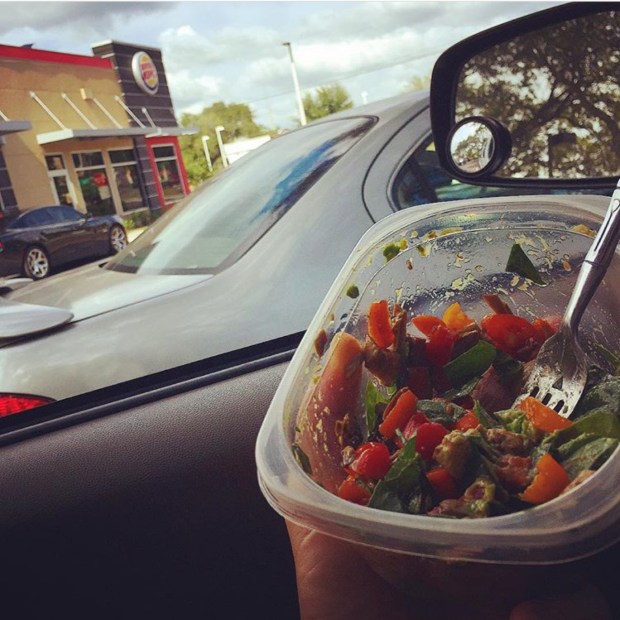
Salad

Whether it be in a salad I packed for lunch or Shannon’s delicious Saucy Tomato Eggs (clink link for recipe), bell peppers frequently make their way into many of our meals. Unlike their spicy cousins, bell peppers do not contain capsaicin, which is why they’re often referred to as sweet peppers. True to their name, bell peppers provide a sweet flavor and a tremendous crunch to any recipe. Even though they lack the beneficial capsaicin compound, bell peppers provide a host of beneficial nutrients that can help manage several different health conditions, including poor eye sight.

One medium sized red bell pepper contains approximately 75% of our recommended daily value of vitamin A. Research has shown that the vitamin A contained in vegetables like bell peppers not only protects the surface of the eye, but also decreases the inflammation created by specific eye conditions (source). In addition to vitamin A, bell peppers also contain high levels of the antioxidants lutein and zeaxanthin, which have been shown to be effective in the treatment of age-related vision loss (source). Believe it or not, the bell pepper’s health benefits don’t stop there.

Menu pic 5-18

Bell peppers also contain a significant amount of vitamin C, vitamin B6, folate and numerous antioxidants. This nutrient dense fruit/veggie improves immunity, reduces inflammation, promotes healthy pregnancies and stimulates collagen production. It’s important to remember that a lot of the vitamins bell peppers possess are fat soluble vitamins. Which means you need to prepare them with a fat source. Sauteing them up in olive oil or butter should do the trick (source).

I know I included the link already, but do yourself a favor and check out Shannon’s saucy tomato eggs recipe. If I had to pick only one meal that contained bell peppers to eat for the rest of my life, it would be that one.

No doubt about it.

If you have a recipe that features bell peppers that you can’t live without, please let me know about it. You can email your recipes to elementaltampa@gmail.com or post a pic of your favorite bell pepper recipe on one of our various social media channels. It’s going to be hard to beat Shannon’s recipe, but you can try.

Addicted to Fitness Show Notes – Core Strength & Green Spaces: Tips to Live a Longer, Healthier Life

You may notice that this week’s episode starts off a little differently. I hate to give a spoiler but I did the intro this week! Nick handed over the reigns and let me take a crack at kicking things off. How’d I do?

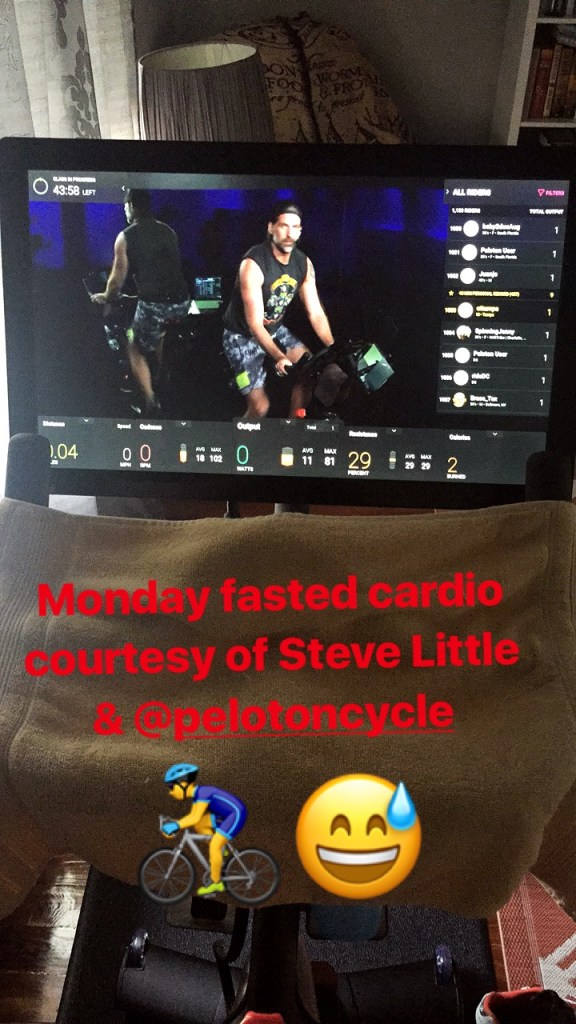
In a quick recap of our training, we both shared our recent use of the Peloton including my preference for switching up class types on certain days of the week. We also discuss our fondness for Peloton instructor Steve Little’s (peloton profile link) endurance classes which focus on zone 2 training. Nick loves to compliment long rides on the bike with intense strength training sessions at Tampa Strength, while I like to mix in yoga and HIIT workouts at home.

Something we’ve both been focusing on in our own ways is core work. Which brings us to one of our primary topics for this week – Core “complaints”.

Steve little pic

One of many story posts from Nick’s instagram (@ettampa)

Nick found an informative article in Health magazine discussing several common complaints from individuals trying to get rid of “ab flab” including the common “I can’t see my abs.” So why do all those crunches not result in a rock hard, visible middle?

An individual’s core is not just those 6-pack abs – it’s all the muscle groups that make up our midsection (abdominals, obliques, lumbar, etc.).  Whether you can see the cut muscles or not (which frequently comes down to diet – tip: increase soluble fiber, good fats and calcium) a stronger core helps you have better control of your extremities and allows you to be more mobile later in life.

Another common complaint discussed is people saying they hold fat in their midsection, but this largely comes down to your genetics and body type. You can avoid that troublesome belly fat by staying away from refined grains & processed foods. The article offers up some good suggestions on other diet tips if you’re interested.

Whether you sit a lot for work or are just looking to strengthen your core, be sure you get up and move during your day; even standing will help you build core strength. Try to see if your office will get you a standing desk or better yet a treadmill desk!

From here we segue over to several “unconventional” tips on extending your life from a recent blog post by Mark Sisson. The five tips that we break down are:

  • Live somewhere green/grown lots of plants
  • Follow your life’s purpose
  • Eat lots of collagen
  • Get really cold/really hot on a regular basis (check out our past episode on cryotherapy)
  • Keep your spouse as healthy as you are (we agree this is the most important)

We’re always looking to share methods on how to live healthier lives on this podcast. Which is why we’re excited to announce that next week’s episode features an interview with the owner & founder of an organic grocery delivery service, Carlen Garmon (Growing Rootz Facebook). You won’t wanna miss it.

Podcast pic 5-8

You can stay up to date with everything we’re doing by following us on social media. Nick has been working hard on keeping his Instagram, including stories, up-to-date so be sure to check it out. Get in touch with us in between episodes on Facebook or by emailing us at elementaltampa@gmail.com. Your feedback and support continues to help us grow and we are extremely grateful. Keep rating, reviewing and sharing the podcast!

Links for this week’s episode

iTunes: https://itunes.apple.com/us/podcast/core-strength-green-spaces-tips-to-live-longer-healthier/id1121420986?i=1000385205121&mt=2

Android: http://subscribeonandroid.com/addictedtofitness.libsyn.com/rss

Website: http://addictedtofitness.libsyn.com/core-strength-green-spaces-ways-to-live-a-healthier-life

What’s on the Menu – How to avoid the common cold & vampire bites

Some of you may know what #WCW means. If by chance you’re not privy to the seemingly endless amount of social media hashtags there are nowadays, WCW is an acronym that stands for “woman crush Wednesday.” Apparently, men and women use this hashtag to let their social media followers know which lady “caught their fancy” that week. I’ve yet to participate in the WCW trend, but if I had to pick someone (other than my wife Shannon of course) I’d go with Dr. Rhonda Patrick (site link).

I’ve professed my platonic love for Dr. Rhonda Patrick numerous times in this blog and on the Addicted to Fitness podcast. Her recall for scientific facts and data is ASTOUNDING! I’ve listened to her on multiple podcasts, including her own (link), and it’s damn near impossible to remember all the information she rattles off. One particular piece of information that stuck with me involved the benefits garlic can offer to combating infections.

The majority of research on the antimicrobial benefits of garlic have yet to produce substantial results, but that may be due to the fact that those studies used garlic supplements instead of raw garlic. Dr. Rhonda Patrick described mitigating the effects of a MRSA infection she experienced by eating raw cloves of garlic & taking megadoses of vitamin C. In addition to her anecdotal evidence, a recent 2016 study demonstrated that eating raw garlic significantly reduced the amount of a specific pathogenic stomach bacteria (source). As unappealing as eating raw garlic sounds, there is a scientific reason to why it may be healthier for you than cooked garlic.

One of the numerous sulfur compounds contained in garlic is alliin. Once a garlic clove is crushed or chopped, the alliin converts to allicin. Allicin is believed to be the compound contained in garlic that provides the majority of its antimicrobial, anticancer and anti-inflammatory benefits. What’s interesting is that more alliin is converted to allicin the longer the crushed clove goes uncooked or uneaten (source). This means that in order to receive the maximum amount of health benefits from garlic, you should eat it raw. However, if you’re not prepared to take that leap, simply crush it and let it sit on your cutting board for 10-15 minutes before cooking it. You’ll still enjoy a certain amount of the health benefits without having to endure the bad breath.

Garlic - ADOS

Shannon and I are absolute garlic FIENDS! I don’t remeber the last meal we prepared that didn’t include garlic and/or shallots, which also contain allicin. We’ll chop up a few cloves and toss them in everything from veggies to meatloaf. I’ve also eaten cloves of raw garlic on the rare occasions that I felt a bit under the weather. I’m not sure if I have that ritual to thank for not being sick in a long time, but research suggest that it definitely doesn’t hurt.

If you are one of the brave souls who has eaten raw garlic or if you just enjoy throwing a few cloves in with your sautéed veggies, let us know! Send your favorite recipe that features garlic to elementaltampa@gmail.com or reach out to us on Facebook, Instagram or Twitter.  We love to interact!