vitamins

What’s on the Menu – I can see clearly now

None of us are getting any younger. I know that’s not exactly breaking news, but I recently reached the point in my life where I’m beginning to feel the effects of aging. I cruised through my 20s with little concern every time my birthday rolled around. Now, as I inch closer to 34, I’m starting to experience issues that would have never affected me 5 years ago.

My muscles take a little longer to recover from a tough workout. It’s hard for me to be energetic the day after a poor night’s sleep and if I decide to forgo “clean eating” for a night, my digestive system is in turmoil for at least 24 hours. Fortunately, there is one bodily function that has yet to be touched by the hands of father time and I believe that has a lot to do with today’s menu spotlight.
Salad

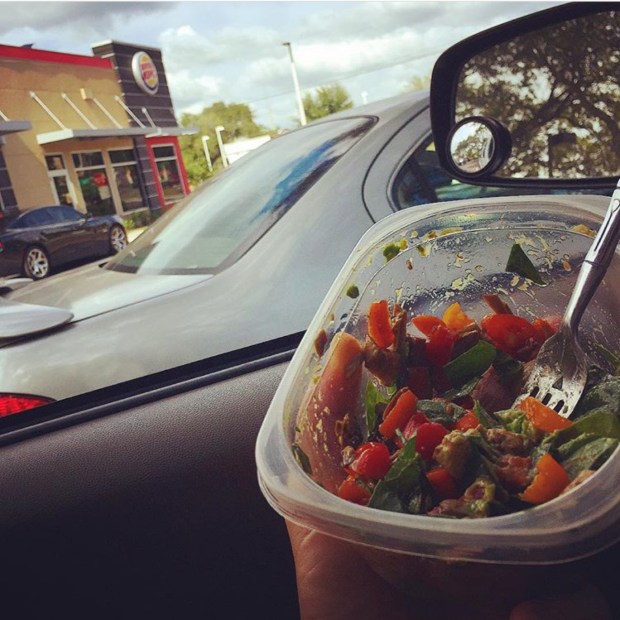
Whether it be in a salad I packed for lunch or Shannon’s delicious Saucy Tomato Eggs (clink link for recipe), bell peppers frequently make their way into many of our meals. Unlike their spicy cousins, bell peppers do not contain capsaicin, which is why they’re often referred to as sweet peppers. True to their name, bell peppers provide a sweet flavor and a tremendous crunch to any recipe. Even though they lack the beneficial capsaicin compound, bell peppers provide a host of beneficial nutrients that can help manage several different health conditions, including poor eye sight.

One medium sized red bell pepper contains approximately 75% of our recommended daily value of vitamin A. Research has shown that the vitamin A contained in vegetables like bell peppers not only protects the surface of the eye, but also decreases the inflammation created by specific eye conditions (source). In addition to vitamin A, bell peppers also contain high levels of the antioxidants lutein and zeaxanthin, which have been shown to be effective in the treatment of age-related vision loss (source). Believe it or not, the bell pepper’s health benefits don’t stop there.

Menu pic 5-18

Bell peppers also contain a significant amount of vitamin C, vitamin B6, folate and numerous antioxidants. This nutrient dense fruit/veggie improves immunity, reduces inflammation, promotes healthy pregnancies and stimulates collagen production. It’s important to remember that a lot of the vitamins bell peppers possess are fat soluble vitamins. Which means you need to prepare them with a fat source. Sauteing them up in olive oil or butter should do the trick (source).

I know I included the link already, but do yourself a favor and check out Shannon’s saucy tomato eggs recipe. If I had to pick only one meal that contained bell peppers to eat for the rest of my life, it would be that one.

No doubt about it.

If you have a recipe that features bell peppers that you can’t live without, please let me know about it. You can email your recipes to elementaltampa@gmail.com or post a pic of your favorite bell pepper recipe on one of our various social media channels. It’s going to be hard to beat Shannon’s recipe, but you can try.

What’s on the Menu – Expiration dates need not apply

I’m a huge Anthony Bourdain fan. I know I’ve said it before, but he is my man crush. He’s a badass chef, a killer writer and trains jiu-jitsu nonstop. Besides the decades of substance abuse, I’d definitely want to be him if I could switch bodies for a day. One of the main reason I want Bourdain’s life is he gets to travel the world and eat unique and sometimes unusual cuisine. One such trip, which was documented on this CNN show Parts Unknown, took him to Denmark and the “science bunker” of the often #1 rated restaurant in the world, Noma. There he got to taste numerous food items in various stages of fermentation. Fortunately for us, we don’t have to travel to Denmark to reap the benefits of fermented foods.

Screenshot 2017-04-27 at 3.01.34 PM

Inside the Noma Science Bunker (pic courtesy of eater.com)

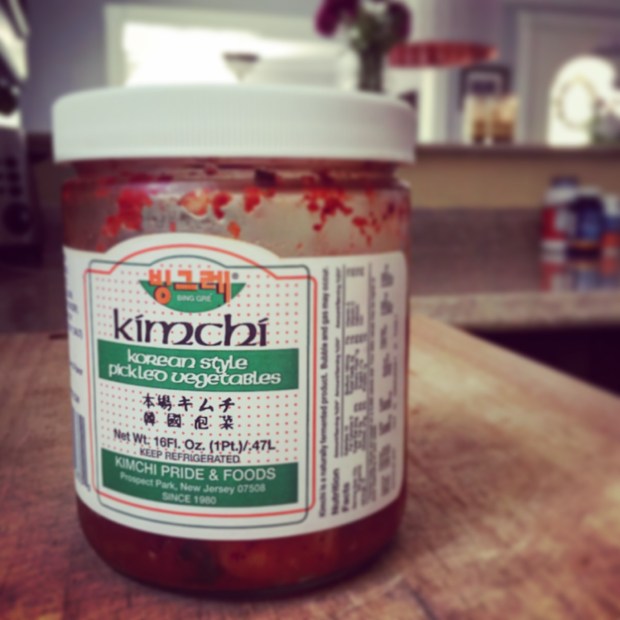
Fermented foods are all the rage nowadays. You can find them at grocery stores, farmers markets and juice bars. You can even find them at baseball stadiums. You may have several fermented foods in your fridge and not even know it. Common fermented foods include: yogurt, miso, sauerkraut, natto and kimchi, which is today’s menu spotlight.

The nutritional value of the vegetables used to make Kimchi are actually enhanced due to the fermentation process. The primary bacteria responsible for Kimchi’s fermentation, Lactobacillus plantarum, not only increases the numerous vitamins and minerals contained in the vegetables, it also increases important bioactive compounds like thiocyanate and glucosinolate. These compounds have been linked to possible treatments for various health conditions such as cancer, obesity and atherosclerosis just to name a few. Kimchi also happens to be a natural probiotic that promotes proper gut health (source). Sounds like a miracle food right? I think it is and what’s even more amazing is that you can make this miracle food at home for next to nothing.

Menu post 4-27

Making homemade kimchi is so ridiculously easy that I’m pissed at myself that I haven’t done it yet. The only supplies you’ll probably need to invest in are several glass mason jars with screw on lids. Other than that it’s just vegetables and spices. Check out the video below to see how easy it is to prepare (sorry for the commerical).

https://www.youtube.com/watch?v=Q-qtwLpDOzE

If you already make your own homemade kimchi, let us know about your recipe. We’d love to share a pic of your delicious fermented veggies on our social media channels. Feel free to send any and all feedback to elementaltampa@gmail.com or reach out to us on social media. We’re not afraid to “fanboy” over the greatness of kimchi in a public forum.

What’s on the Menu – Looks like Popeye was Right

I had a stout aversion to any green vegetables growing up. I don’t know if it’s a phase all kids go through, but the idea of eating peas, broccoli or kale made me physically ill. My parents gave up trying to incorporate green veggies into my diet after an unfortunate “messy” situation at the kitchen table. Those scarring experiences are probably why my parents, and other relatives, are still astonished when they see me pile green veggies on my plate nowadays.

One such green veggie that seems to make it into my diet on a daily basis is spinach. To be honest with you, I actually have to limit how much spinach I eat. It’s not because I’m prone to kidney stones, which the oxalates in spinach can contribute to, it’s because Shannon and I eat so much that we’d have to buy a new container multiple times a week. If you listened to this week’s Addicted to Fitness (episode link) you’d know that we buy it organically grown since the conventionally grown version contains high pesticide levels. I’d hate to go broke over spinach, but its health benefits are so prolific that its worth spending a little extra cash.

Spinach4

I’m sure you’ve heard some of the major health benefits that spinach provides: high in numerous water & fat soluble vitamins (K, A, B6, Folate), minerals (magnesium, copper, iron) and fiber. What you may not be aware of are the potential health benefits of its “lesser” known micronutrients.

Spinach happens to be one of the richest sources of chlorophyll (substance that makes it green) on the planet, which means it’s also one of the richest sources of thylakoids. Recent research using spinach extract containing high levels of thylakoids has been shown to delay stomach emptying, decrease levels of hunger-related hormones and increase levels of satiety-related hormones. This research suggests that spinach extracts may be a viable treatment method for obesity and type 2 diabetes (source). In addition to its numerous health benefits, the mild taste of spinach makes it a welcome addition to a variety of dishes.

Spinach smoothie

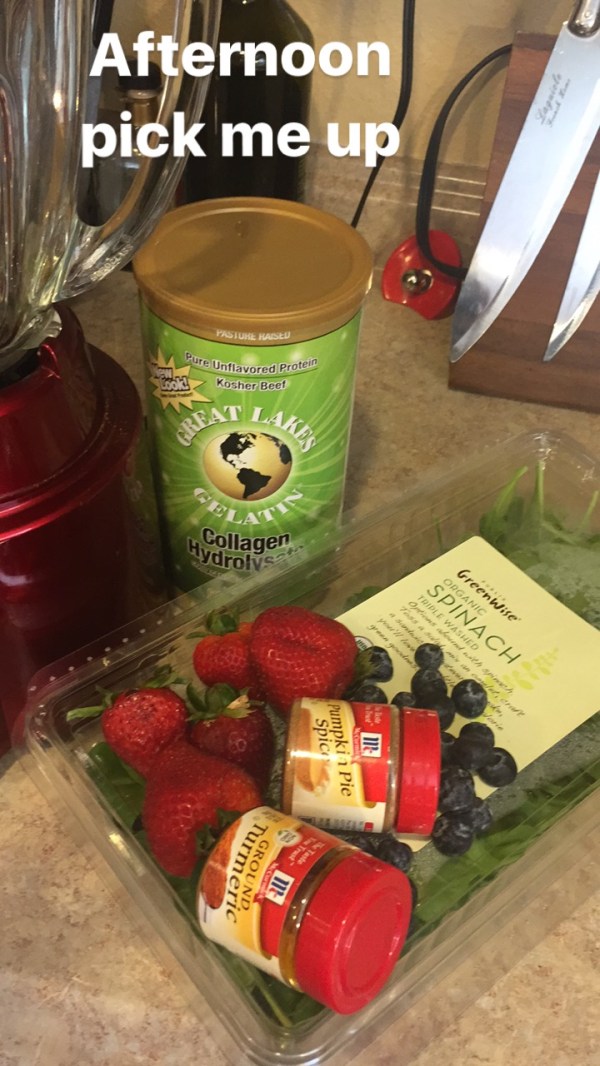
Naturally I incorporate spinach into any salad I make, but the one meal that I always add spinach to that may come as a surprise to some is my homemade smoothie. Vegetable and fruit smoothies are a great way to add more dark leafy greens into your diet. My go-to recipe includes:

  • A big handful of spinach
  • 1/3 cup of blueberries
  • 1/3 cup of strawberries
  • 3 tbsp of Collagen Hydrolysate protein powder
  • 2 tsp of cinnamon & turmeric

I don’t think I’ve found a dish that I wouldn’t add spinach too. Even though I haven’t tried it in a dessert, I’m certain I wouldn’t turn down a bowl of spinach ice cream. Please feel free to share your favorite spinach recipe in the comment section below or email them to us at elementaltampa@gmail.com. You can also share pics of your delicious spinach meals on our Facebook page. Click here and post away!

What’s on the Menu – Not So Sweet Potato

I really think the sweet potato should thank the Paleo movement for its recent rise in popularity. I grew up on a farm and the only time I recall seeing and/or eating sweet potatoes was in pie form at Thanksgiving. But then the paleo diet started to gain popularity in the early 2000s and BOOM! Sweet potatoes were in vogue.

I should mention that there is some debate amongst paleo diet followers if sweet potatoes are “paleo” or not. Regardless, I think sweet potato farmers should thank Robb Wolf and Dr. Loren Cordain for the 80% increase in consumption of their product in the U.S. between 2000 – 2014 (source). Shannon and I have certainly done our part to contribute to that increase as sweet potatoes frequently make their way into our weekly meal plans, and why not! They provide significant amounts of essential nutrients like fiber, vitamin C & B6 and manganese. They also provide more of the antioxidant beta-carotene than any other whole food on the planet (source). But what about their sugar content? Well, the actual truth of their sweetness may surprise you.

pexels-photo-89247

The glycemic index (GI) & glycemic load (GL) chart is a good tool to use when you’re trying to determine your body’s blood sugar & insulin response to certain foods (click here to see chart).  If you check out the chart you’ll see that sweet potatoes have a lower GI and GL than russet potatoes. If you’re trying to maintain a strict diet that contains only low GI & GL foods, a baked sweet potato may not be an option. Luckily there is a certain way to prepare sweet potatoes that will significantly lower their GI & GL.

While a baked sweet potato contains a relatively high GL of 22, a boiled sweet potato contains a GL of only 11 (source). This is great news! Wanna know why? Because in order to absorb more of those awesome nutrients contained in the sweet potato, you need to add fat to them. See where I’m going with this? That’s right, mashed sweet potatoes with butter and heavy cream may be the healthiest way to enjoy this multipurpose starch. You can also toss the steamed sweet potatoes in olive oil if you’re lactose intolerant.

Sweet potato pic

Sweet Tater Chips – One of my fav preparation methods

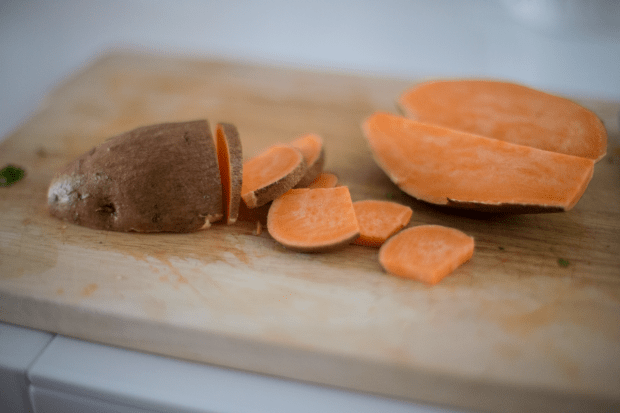
Above you’ll see a pic of my sweet potato “chips” before they head into the oven. No, they’re not exactly low carb, but they are covered in butter and olive oil. If you’re interested in indulging in these every once in a while, you’ll need a stainless steel vegetable slicer to CAREFULLY cut the sweet potato nice and thin. Coat them and a foil lined baking sheet in butter and/or olive oil and bake them at 400 degrees for approximately 15 minutes. Take’em out, flip’em, and cook for another 10-15 minutes. You can broil them for a few minutes at the end if you want to crisp them up.

Now that I’ve share one of my favorite sweet potato recipes, it’s time for you to return the favor. Feel free to send your recipes, complete with pictures, to us on Facebook, Instagram or Twitter. You can also email them to us at elementaltampa@gmail.com. We appreciate all feedback, especially the tasty kind.

What’s on the Menu – Superfoods in my Backyard

The Florida Strawberry festival takes place every year in the small, rustic town of Plant City. The event has been going strong for over 80 years, and it continues to grow each year with the addition of rides, livestock contests and popular music acts like Little Big Town, Rascal Flatts and Elle King (one of Shannon’s personal fav’s). The vast majority of the food at the festival is typical fair food; deep-fried and/or covered in sugar. However, the festival’s namesake is readily available and it when it comes to nutrient rich foods, it’s hard to beat strawberries, or any berries for that matter.

Strawberry shortcake

I consider myself pretty lucky to live in an area that has access to substantial berry crops every year. The farms in my area plant over 10,000 acres of strawberries annually, along with other berries like blueberries and blackberries (source). You best believe that when berry season rolls around, Shannon and I stock up on a weekly basis.  Not only do they taste delicious, but they’re often considered a superfood because of their nutritional benefits.

Possible health benefits associated with eating berries include reduced disease susceptibility, increased insulin sensitivity and improved arterial function. They are also high in essential nutrients (ones our bodies can’t make) like vitamin C, K, manganese and folate (source). I’m a huge berry fan, but I’d be remiss if I didn’t mention strawberry’s regular appearance on the Environmental Working Group’s (EWG) Dirty Dozen List.

Wish farms berries

Organic berries from Florida’s Wish Farms

Since 2004, the EWG has been creating lists of the dirtiest and cleanest produce in regards to pesticide contamination. Strawberries often find themselves at the top of the “dirty” list, most likely due to year round production brought on by high demand. According to EWG’s website, Americans individually eat an average of 8 pounds of strawberries a year. Even though we’re still discovering what negative side effects eating foods containing pesticides can have on our health, the EWG recommends that you buy organically grown strawberries whenever possible. If you like to check out what other produce made it onto EWG’s lists, head on over to their website.

Menu pic 3-30

I believe the reporting of high contamination levels in produce like strawberries will help increase the demand for organically grown produce. The overuse of pesticides and the negative effect its had on our agricultural industry is a discussion for another day.

Whether you buy organic or conventional berries, I want to hear how you prefer to enjoy them. Do you throw them into a smoothie, add them to yogurt, or just eat them by the handful like I do? However you enjoy them, please feel free to let us know by leaving a response in the comment section below or emailing it to us at elementaltampa@gmail.com.

What’s on the Menu – Efficiency Nut

I don’t know who the PR person for walnuts is, but I feel like they’re doing a pretty lackluster job. Pistachios has Richard Sherman and a giant cartoon elephant, voiced by John Cena, telling me to pick up a bag. California almonds have SportsCenter anchors pushing them and it seems like Mr.Peanut as been telling us to eat peanuts, which aren’t nuts, before the TV was even invented. All these nuts are getting positive press, but the walnut is still waiting for its big break.

https://www.youtube.com/watch?v=4IxAA2GsLE8

I think I may have an idea of why walnuts aren’t getting promoted as much as they should. The outside of a shelled walnut is covered in a thin, paper-like “skin” that some people attest to having a bitter taste. The flavor of the skin can be off-putting to certain folks, but much like an apple, there are a ton of nutrients in the skin of a walnut.  It’s believed that 90% of the walnuts beneficial organic compounds are contained in the skin.

food-walnut-nut

The beneficial compounds contained in walnuts include a special form of vitamin E, hard to find antioxidants and the highest alpha linolenic acid (omega-3) concentration of any nut (source). The positive health aspects of walnuts prompted the Hospital Clinic of Barcelona and Loma Linda University to conduct a study on the daily consumption of walnuts. Preliminary results of the study suggest that daily consumption of 1.5 oz of walnuts can reduce LDL cholesterol & inflammation which can lower your chance of developing heart disease (source).

MenuPic 3-23

If all these health benefits aren’t enough to make you run out to buy a bag of walnuts, the fact that they are one of the cheaper nuts should be all the convincing you need. Raw nuts, which is what you should buy if you want the maximum health benefits, can be a bit pricey. However, compared to cashews, almonds or the luxurious macadamia nut, walnuts are at least $1 cheaper per pound (according to my research).

Walnuts: the nut with the highest ROI. It’s no “get crackin'” but I think it has potential. Let me know if you have any suggestions on what walnuts’ promotional catch phrase should be. You can connect with us on Facebook, Instagram or Twitter or email us at elementaltampa@gmail.com.

What’s on the Menu – They’re Not Just For Dipping

I don’t know why but it seems like every casual dining restaurant has the same six appetizers. Doesn’t matter if you are at an Applebee’s, Bennigans, or TGIFriday’s, the “starters” portion of the menu usually contains wings, mozzarella sticks, chips & salsa and one particular item that contains today’s menu spotlight. I highly doubt they know that the artichoke dip they sell contains one of the most powerful cancer fighting foods on the planet.

Even though artichoke’s presence on casual dining menus is most likely a happy accident, it doesn’t mean we shouldn’t celebrate the nutritional benefits of this vegetable. One medium size artichoke (about 120g) contains nearly 25% of our recommended daily allowance (RDA) for fiber. It is also contains a significant amount of folate and vitamin K which are especially important to expectant mothers (source). All these nutrients are great, but the purpose of this blog is to highlight the cancer fighting properties of artichokes.

artichokes-759753_1920

One of the reasons why cancer cells propagate is due to oxidation which is caused by a build up of free radicals in our body. In order to reduce the negative effects of oxidation, our body produces antioxidants and we acquire them from the food & drinks we consume. Artichokes just happen to contain some of the most powerful antioxidants on the planet. Cynarin, rutin and the other antioxidants from artichokes have been shown to reduce the cell growth of certain forms of cancer in clinical studies (source). You should put THAT fun fact on your menu Cheddar’s!

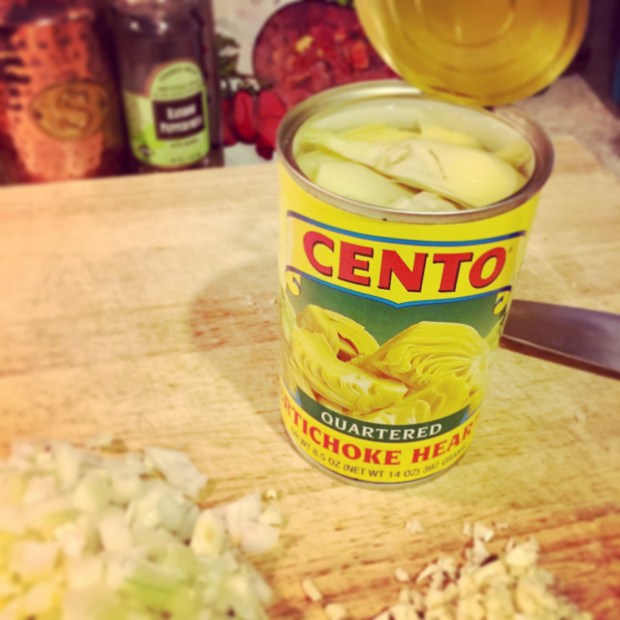
I doubt that if you combine artichokes with cheese and mayo like those restaurant appetizers do that you’ll get the same health benefits as just grilling them. Shannon and I have used them recently to make a delicious Tuscan Chicken Skillet meal, that I contend wouldn’t be the same without the artichokes. Send us your go to artichoke recipes and don’t forget to include pictures. You can always reach us on social media or send us an email at elementaltampa@gmail.com.

artichokes


What’s on the Menu

Spaghetti and meatballs. I feel like those two have been perpetually linked since the beginning of time, or since pasta has been a thing. Fortunately, we’ve discovered that meatballs don’t always need a refined carb counterpart. This week’s look into Shannon and I’s menu features turkey meatballs paired with garlic sautéed baby bok choy instead of pasta. Bok choy is a great pasta alternative because it’s a cruciferous vegetable that is loaded with vitamins A, K, and C and contains over 70 antioxidants, which is why some researchers believe it can aid in cancer prevention (source). Expanding our food choices, especially when it comes to vegetables, is crucial to optimizing our health and developing as a species (source). The next time you go grocery shopping, forget the box of barilla and go for the bok choy. If you are already a bok choy fan, let us know what dishes you incorporate it into. We’re always looking for new recipes.