carbs

What’s on the Menu – I can see clearly now

None of us are getting any younger. I know that’s not exactly breaking news, but I recently reached the point in my life where I’m beginning to feel the effects of aging. I cruised through my 20s with little concern every time my birthday rolled around. Now, as I inch closer to 34, I’m starting to experience issues that would have never affected me 5 years ago.

My muscles take a little longer to recover from a tough workout. It’s hard for me to be energetic the day after a poor night’s sleep and if I decide to forgo “clean eating” for a night, my digestive system is in turmoil for at least 24 hours. Fortunately, there is one bodily function that has yet to be touched by the hands of father time and I believe that has a lot to do with today’s menu spotlight.
Salad

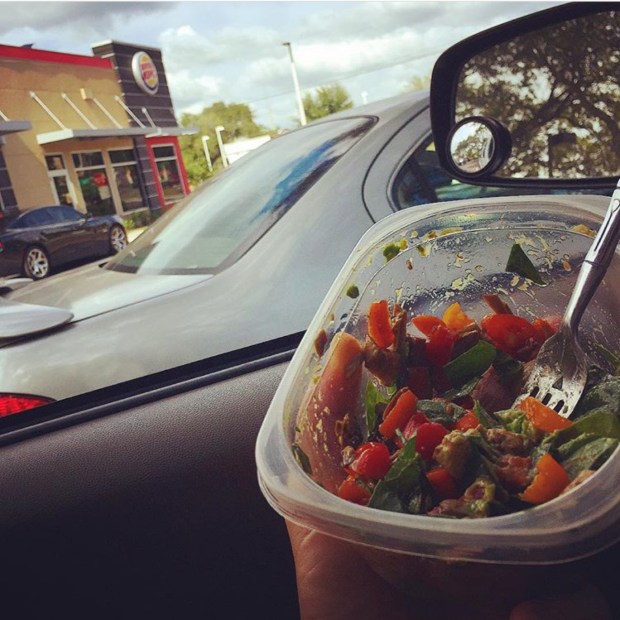
Whether it be in a salad I packed for lunch or Shannon’s delicious Saucy Tomato Eggs (clink link for recipe), bell peppers frequently make their way into many of our meals. Unlike their spicy cousins, bell peppers do not contain capsaicin, which is why they’re often referred to as sweet peppers. True to their name, bell peppers provide a sweet flavor and a tremendous crunch to any recipe. Even though they lack the beneficial capsaicin compound, bell peppers provide a host of beneficial nutrients that can help manage several different health conditions, including poor eye sight.

One medium sized red bell pepper contains approximately 75% of our recommended daily value of vitamin A. Research has shown that the vitamin A contained in vegetables like bell peppers not only protects the surface of the eye, but also decreases the inflammation created by specific eye conditions (source). In addition to vitamin A, bell peppers also contain high levels of the antioxidants lutein and zeaxanthin, which have been shown to be effective in the treatment of age-related vision loss (source). Believe it or not, the bell pepper’s health benefits don’t stop there.

Menu pic 5-18

Bell peppers also contain a significant amount of vitamin C, vitamin B6, folate and numerous antioxidants. This nutrient dense fruit/veggie improves immunity, reduces inflammation, promotes healthy pregnancies and stimulates collagen production. It’s important to remember that a lot of the vitamins bell peppers possess are fat soluble vitamins. Which means you need to prepare them with a fat source. Sauteing them up in olive oil or butter should do the trick (source).

I know I included the link already, but do yourself a favor and check out Shannon’s saucy tomato eggs recipe. If I had to pick only one meal that contained bell peppers to eat for the rest of my life, it would be that one.

No doubt about it.

If you have a recipe that features bell peppers that you can’t live without, please let me know about it. You can email your recipes to elementaltampa@gmail.com or post a pic of your favorite bell pepper recipe on one of our various social media channels. It’s going to be hard to beat Shannon’s recipe, but you can try.

What’s on the Menu – Looks like Popeye was Right

I had a stout aversion to any green vegetables growing up. I don’t know if it’s a phase all kids go through, but the idea of eating peas, broccoli or kale made me physically ill. My parents gave up trying to incorporate green veggies into my diet after an unfortunate “messy” situation at the kitchen table. Those scarring experiences are probably why my parents, and other relatives, are still astonished when they see me pile green veggies on my plate nowadays.

One such green veggie that seems to make it into my diet on a daily basis is spinach. To be honest with you, I actually have to limit how much spinach I eat. It’s not because I’m prone to kidney stones, which the oxalates in spinach can contribute to, it’s because Shannon and I eat so much that we’d have to buy a new container multiple times a week. If you listened to this week’s Addicted to Fitness (episode link) you’d know that we buy it organically grown since the conventionally grown version contains high pesticide levels. I’d hate to go broke over spinach, but its health benefits are so prolific that its worth spending a little extra cash.

Spinach4

I’m sure you’ve heard some of the major health benefits that spinach provides: high in numerous water & fat soluble vitamins (K, A, B6, Folate), minerals (magnesium, copper, iron) and fiber. What you may not be aware of are the potential health benefits of its “lesser” known micronutrients.

Spinach happens to be one of the richest sources of chlorophyll (substance that makes it green) on the planet, which means it’s also one of the richest sources of thylakoids. Recent research using spinach extract containing high levels of thylakoids has been shown to delay stomach emptying, decrease levels of hunger-related hormones and increase levels of satiety-related hormones. This research suggests that spinach extracts may be a viable treatment method for obesity and type 2 diabetes (source). In addition to its numerous health benefits, the mild taste of spinach makes it a welcome addition to a variety of dishes.

Spinach smoothie

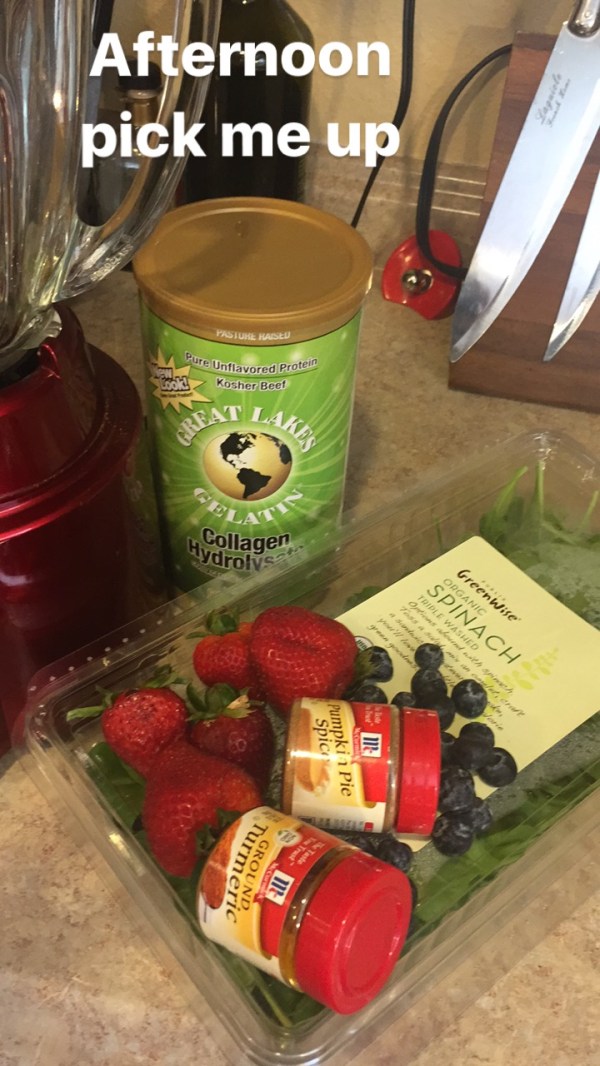
Naturally I incorporate spinach into any salad I make, but the one meal that I always add spinach to that may come as a surprise to some is my homemade smoothie. Vegetable and fruit smoothies are a great way to add more dark leafy greens into your diet. My go-to recipe includes:

  • A big handful of spinach
  • 1/3 cup of blueberries
  • 1/3 cup of strawberries
  • 3 tbsp of Collagen Hydrolysate protein powder
  • 2 tsp of cinnamon & turmeric

I don’t think I’ve found a dish that I wouldn’t add spinach too. Even though I haven’t tried it in a dessert, I’m certain I wouldn’t turn down a bowl of spinach ice cream. Please feel free to share your favorite spinach recipe in the comment section below or email them to us at elementaltampa@gmail.com. You can also share pics of your delicious spinach meals on our Facebook page. Click here and post away!

Addicted to Fitness Show Notes – Crutch Foods & How To Avoid Them

We were working late again on this week’s podcast, which is pretty evident straight off the bat as poor annunciation (listen for the excellent “recrap” instead of “recap” moment) led to some pretty funny moments amidst our discussions.

Our first point was serious praise for all you listeners who have truly stepped up in the recent weeks and are leading the podcast to some exciting milestones. Keep up the sharing and listening as we work to make the podcast better than ever!

In our look back on our past week of training, Nick called out his most recent accomplishment – taking his first barre class at Pure Barre in South Tampa. You’ll be hearing more about this experience in the future, but for now here’s a little taste…

Me at barre

I’ve never felt so uncomfortable at a bar

Meanwhile, I got back on the Peloton cycle and had to make some decisions of my own, reevaluating my fitness goals and identifying the changes I needed to make. We’ll go into it more in the future, especially the SMART (Specific, Measurable, Attainable, Realistic, Timely) parameters that you can use to set successful goals.

One of the biggest areas of health and fitness goal setting is diet, which brings us to this week’s main podcast topic – Crutch Foods.

food-salad-restaurant-person

Any of these items your crutch food?

The first question we seek to answer is what is a crutch food?

Nick’s definition of crutch food included more of an emotional aspect = food that elicits a pleasurable feeling, or rather comfort foods.

My definition focused more on it being the habitual use of comfort foods so that it becomes an unconscious addition to almost every one of your meals. You don’t eat the food item for its nutritional value, but rather it takes over as a reliant go-to.

For me, my recent crutch food was an old friend/foe – breads and carbs – but I have also used cheese and dairy as a crutch food in the past, thus the reason I was a vegan at one point in time.

Nick’s crutch food is coffee. Though he’s not currently drinking an unhealthy amount he drinks it regardless of whether he needs the benefits it provides or not. It has become something he leans on, like a crutch.

food-kitchen-cutting-board-cooking

A diet of whole & seasonal ingredients can lead to better health

This brings us to how do you shake or avoid crutch foods.

Though it may come as a surprise, a great resource recently came out in the April 2017 issue of  Martha Stewart Living. Since Nick is as big of a Marth Stewart fan as I am (which we have a good laugh about – though he denies just how much he loves her), we talk through the article “The New Way to Eat” and the 12 principles it outlines to put the focus back on whole, seasonal foods.

The 12 Principles:

  1. Expand Your Food Horizons – be adventurous and explore different types of whole foods; incorporate more in your diet
  2. Get Satisfaction – Remove distractions while eating to fully ensure your focus is where it should be
  3. Let Things Simmer – Embrace some crockpot-style cooking to capitalize on the benefits
  4. Be Smart About Starch – Carbs aren’t the devil and some like starches can be a smart part of your diet
  5. See Seafood Differently – Get some of the original smart food: seafood (avoid large predatory fish – high in mercury)
  6. Wine is Fine – Studies show that some wine, especially the antioxidant-rich dark reds, can have some added benefits in moderation
  7. Go for Full-Fat – Though some can’t handle dairy, those who can, will see benefits from full-fat dairy which is actually easier for our bodies to digest than processed, low-fat versions
  8. Fill Up On Fiber – Fresh produce has more than vitamins; it’s loaded with fiber which is vital to our digestion
  9. Finish Strong – Use herbs as a way to pack a tasty and satisfying punch to your meals
  10. Eat Sweets with Intention – A zero-tolerance policy doesn’t work when it comes to desserts so indulge wisely with the utmost intention on enjoying quality in your sweet treats.
  11. Take the Spice Route – Spices pack more than a punch of flavor, some have incredible anti-inflammatory and brain-benefiting powers, so use them when you can
  12. Lock It In For Life – Focus on real food, not just for a day, but every day to create lasting impact

Nick and I break down each of the principles and talk about how they can be used to formulate a good diet and strong lifestyle. Many of the principles are ones we already subscribe to, but it’s easy to forget just how important healthy eating is. The article provides an important reminder.

Podcast Pic 3-27

Thanks again for making March our best month yet. Keep listening and sharing the podcast and if you have time please give us a rating and review in iTunes. Be sure to keep connected with us and feel free to send any feedback via our social channels or email elementaltampa@gmail.com.

Links for this week’s episode:

iTunes: https://itunes.apple.com/us/podcast/crutch-foods-how-to-avoid-them/id1121420986?i=1000383159057&mt=2

Android: http://subscribeonandroid.com/addictedtofitness.libsyn.com/rss

Website: http://addictedtofitness.libsyn.com/crutch-foods-how-to-avoid-them


What’s on the Menu – Office Friendly Seafood Snack

I claimed in the title, and on Instagram, that this week’s menu spotlight can be an exception to the “no fish” rule that most office lunchrooms advertise. I make that claim for two reasons: smoked salmon does not have to be warmed up in the microwave to be enjoyed and I’ve never worked in an office before. Which is why you should take my office friendly claim for smoked salmon with certain level of skepticism.

One thing I can tell you with the utmost certainty is that smoked salmon is a FANTASTIC healthy snack food. Two ounces of wild caught sockeye smoked salmon from Trader Joe’s contains 6g of fat, 12g of protein and zero carbs. I always harp on the fact that you should try to eat foods that provide a significant amount of protein and/or fat because they’ll keep you fuller longer, which will prevent you from forging for snacks during the day. Not only does smoked salmon provide both those macronutrients, but the fat contained in smoked salmon is not only healthy, it’s essential.

kodiak-brown-bear-2042153_1280

This bear knows whats up

Essential nutrients are nutrients that are body is incapable of producing on its own, which means we must obtain them through diet or supplementation. One such essential nutrient that all types of salmon (fresh, smoked, canned, etc.) is high in is omega 3 fatty acids. Research has shown that consuming omega 3 fatty acids on regular basis has been linked to decreased inflammation, lowered blood pressure and improved function of the cells that line your arteries (source). These benefits are uber important since according to the World Health Organization (WHO), the leading cause of death worldwide for last 15 years has been heart disease. Can you see why I’m such a fan?!

Let’s review: Salmon, specifically smoked salmon, doesn’t have a pungent fishy smell, IMO; it contains a significant amount of protein, which will help prevent additional snacking; it contains omega 3 fatty acids, which can help you avoid the #1 leading cause of death worldwide! The only problem I see is that a 4 oz package cost almost $9. But honestly, it’s a fair price to pay for a food that is packed with life saving nutrients.

I can eat it straight from the package but I know lots of people love adding some cream cheese and capers (yes, I purposely left out the bagel). Let us know how you enjoy your smoked salmon. We’d also love know what “nutritional powerhouse” foods you snack on. Leave your feedback in the comment section below and hit us up at elementaltampa@gmail.com.

smoked-salmon

What’s on the Menu – Grocery Shopping Prerequisite

We’ve all done it. It’s a mistake that I’m sure grocery stores are happy people make week in and week out. No, I’m not talking about forgetting your reusable grocery bags. I’m talking about going to the grocery store HUNGRY.

We seemed to be focused on grocery shopping this week on elementaltampa.com, and for good reason. The choices you make at the grocery store can have a significant effect on how you look and feel. You may not realize it but those choices can be influenced by the level of hunger you have before you step into the grocery store. In as 2013 study, researchers found that individuals that went grocery shopping while “hungry” were more likely buy high-caloric unhealthy foods (chips, candy, etc.) than those that ate before shopping for groceries. Another study confirmed these findings by documenting individuals that went grocery shopping before dinner time, 4-7pm, buying more unhealthy foods than those people that went shopping after lunch, 1-4pm (source). The “feast or famine” mentality left over from our primitive ancestors may want us to eat everything in sight when we’re hungry, but there are certain steps we can take to prevent us from bringing home a barrel sized container of cheese balls.

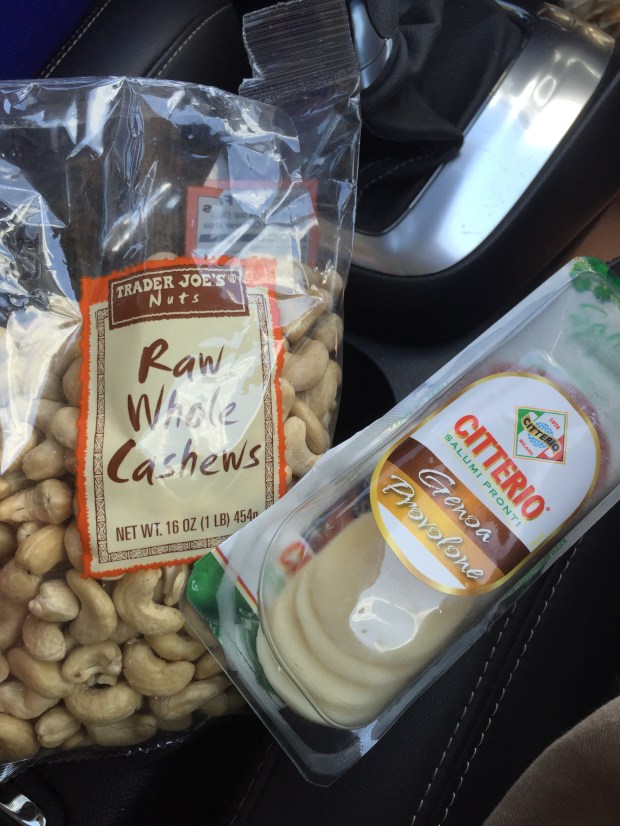
Shannon and I have discovered several ways to prevent impulse buys while grocery shopping, but none work as well as eating before you go. A couple of our go to pre-grocery shopping snacks are raw cashews and/or cured meat with cheese. Both snacks are nutritious (cashews: 6g fat, 4g carbs, 2.5g protein per ounce; genoa+provolone: 26 g fat, 21g protein, no carbs per package), shareable, portable and most importantly satiating. I’ve, and some scientific research, found that foods containing a significant amount of protein and/or fat will help you stay fuller longer and hold back that pesky hunger hormone gherlin.

Hopefully you are already practicing this pre-grocery shopping ritual. If so, send us pictures of your pre-grocery shopping snacks. We’re always looking to expand our repertoire.

cashews-salami


What’s on the Menu – Cauliflower: The Veggie Drawer’s Utility Player

If you all are anything like me, you knew when your mom or dad was cooking cauliflower for dinner. Hell, you could probably smell it before you even walked in the house. In today’s post, we’re going to go over several reasons why you should eat cauliflower, but I get why kids don’t exactly go crazy when they see it on the dinner table. The smell, the stark white appearance and the overall bland flavor would turn off any 8 year old. The beauty of this “blank canvas” of a veggie is in its versatility and the fact that it is a nutritional “powerhouse“.

cauliflower-1465732_1920

Cauliflower belongs to the cruciferous vegetable family, which includes other highly nutritious veggies like kale, broccoli and turnips. One cup of cauliflower contains 5g of carbs with over half of those carbs coming from fiber. The phytonutrients contained in cauliflower include a significant amount of Vitamin C, K and folate. It also contains an organic compound known as glucosinolates, which when broken down during the cooking process produces cauliflower’s less than appetizing smell, but also produces several other compounds that have been found to have anti-cancer, anti-inflammatory and anti-oxidative effects (source).

screen-shot-2017-02-01-at-6-12-41-pm

You know me, I’ll sacrifice taste for a nutritional payoff (e.g. sardines). Luckily, cauliflower is so adaptable that you can use it to make some of your favorite carby side dishes. Instead of white rice, try riced cauliflower (pictured above). Instead of tater tots, try cauliflower tots. Instead of a wheat based pizza crust, try a cauliflower pizza crust. Yes that’s a real thing! Former guest of the Addicted to Fitness podcast Anna Vocino has an awesome cauliflower pizza crust recipe on here website. Give her recipe a shot and let me know how it comes out. We’d love to see pictures of how you dress up your cauliflower.

What’s on the Menu – An Egg-squisite meal

Shannon’s saucy tomato eggs dish is one of my favorite brunch options. I mean favorite of all time!  I prefer it over 90% of the stuff I can order at my favorite brunch restaurant. What’s not to like? Fresh herbs & veggies – good. Italian sausage – good. Eggs – GOOOOOD!!! The combination of ingredients creates an absolute flavor explosion, but I’d be remiss if I didn’t mention my favorite part of this dish. I’m sure you’ve already figured out from the title of this post, that it’s really an homage to eggs.

screen-shot-2017-01-16-at-6-01-22-pm

Let’s be serious folks, eggs are the best whole food on the planet.

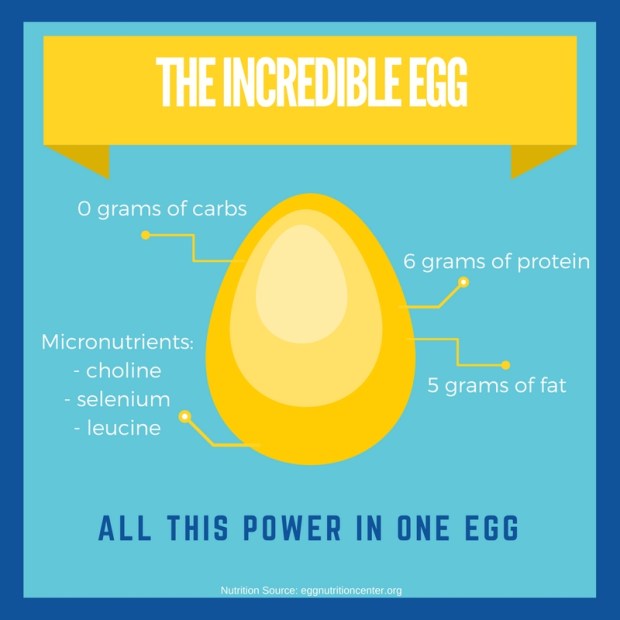
I know vegans will disagree but one egg provides 6g of protein, 5g of fat (1.5g saturated) and 0g of carbs. They also provide essential micronutrients like choline, selenium, and leucine, which is essential to the production of muscle protein (source).

egg-nutrition1

If the nutritional benefits aren’t enough, the number of ways you can prepare them is almost endless. I don’t want to go on a Bubba Gump-like rant, but you can enjoy eggs fried, poached, scrambled, basted, hard boiled and I’m sure there are preparation methods I don’t even know about.

Before I rest my case on eggs’ superiority, I should mention that all these facts are about WHOLE EGGS. If you have an egg allergy, I get ditching the yolk, but all of you who think you’re being healthier eating only egg whites, you are sadly mistaken. You’re missing out on the vast majority of the nutritional benefits due to outdated nutrition advice, most likely misinformation about cholesterol. I’d recommend checking out Ivor Cummins’ (aka “The Fat Emperor”) website and get educated on why you should be putting whole eggs back on your menu.*

If you’re interested in making some saucy tomato eggs at home, check out the recipe on Shannon’s site.

screen-shot-2017-01-16-at-6-01-52-pm

If you think you have an egg dish that can rival Shannon’s saucy tomato eggs, which is highly unlikely, send some pics or a recipe our way so we can check it out!

You can always leave us feedback either on Facebook or email us at elementaltampa@gmail.com.


*I’m not a certified dietician so you should seek a professional’s input if you have any specific health concerns regarding your diet.

Addicted to Fitness Show Notes – Interview with World’s Tallest Bodybuilder, Aaron Reed

This week, Nick interviews former pro-wrestler and the world’s tallest competitive bodybuilder, Aaron Reed. Not only has Aaron worked hard to become a beast of an athlete, he’s also the author of the nutrition book The Supernatural Lifestyle, which serves as the basis for the Eat Like Aaron meal prep service he offers in Tampa Bay.

podcast-pic-1-16

Image created with photo courtesy of Luis Battistini (@luisx_com)

The road that got him to where he is today has not been a cake-walk. In fact, Aaron faced a humorless, life-threatening a-hole, also known as leukemia, as a child. He was diagnosed young and had to beat that monster before he was able to follow in his family’s athletic footsteps.

His late start didn’t deter him from finding his passions, though. Aaron learned early on that he was good at lifting weights and sought his inspiration from legend, Arnold Schwarzenegger.

Fast forward a bit, and Aaron talks about his days in the WWE and how an injury as a pro wrestler led to him discovering that he had hepatitis. Faced with the choice of going back on chemotherapy, he made the decision to treat his illness with nutrition. A lack of help from other fitness experts led him to become a self-taught nutritionist, passionate about using his diet as a healing and strengthening force in life.

Aaron’s three rules to nutrition:

  1. Eat whole foods
  2. Don’t combine sugar and fat
  3. Eat certain macronutrients at certain times

His learned expertise in nutrition resulted in him writing his book in 2011 and subsequently starting his meal prep service, which focuses on raising insulin sensitivity (that’s a good goal) by eating more fat on its own and fewer carbohydrates.

When asked what kinds of meals are included in the Eat Like Aaron meal plan, he told Nick:

  • Carbs + protein meal (e.g. chicken and rice)
  • Protein + fat meal (e.g. grass-fed burger and guacamole)
  • You can have vegetables at any time because they provide fiber (not suggested for post workout)
  • Eating fat is important because it helps with hormone production and sex drive (hey-yo!)

Aaron also shared his belief that artificial sweeteners are a big no-no because they dull insulin sensitivity and may be the cause of visceral belly fat. So don’t expect to see those anywhere in his meal options.

As the first body builder we’ve interviewed for the podcast, Aaron set a really high bar (and not just because he’s 6’7″)! He’s a friendly and talkative guy with an incredibly inspiring story and a clear passion for nutrition. Seeing how far his knowledge has already taken him is motivating proof of just how critical diet is to your health.

Do yourself a favor and connect with/follow Aaron on his social channels – Facebook, Instagram (@aaronw.reed), Twitter (@AaronWReed)

Oh! And just in case you need a little comparison to see what we mean by the world’s tallest bodybuilder, check out the side-by-side selfie of Nick and Aaron below.

aaroni

Let us know how you’re enjoying the podcast between episodes and keep sharing the feedback either on Facebook or by leaving a review in the iTunes store. We love hearing from you! As always, thank you so much for listening and supporting.

Links to this week’s episode

iTunes: https://itunes.apple.com/us/podcast/interview-worlds-tallest-bodybuilder/id1121420986?i=1000380018657&mt=2

Android: http://subscribeonandroid.com/addictedtofitness.libsyn.com/rss

Website: http://addictedtofitness.libsyn.com/an-interview-with-the-worlds-tallest-bodybuilder-aaron-reed