food

Addicted to Fitness Show Notes – Protein Powder & Protein Water Taste Test

This was the Addicted to Fitness episode that you were suppose to hear before Irma rolled through our neck of the woods. Sorry it took a few weeks longer to deliver it to you all, but we’re very grateful that we even get the opportunity to share it at all. Many areas affected by Irma are still recovering and I encourage everyone to continue supporting the relief effort by donating to credible organizations like the American Red Cross (link) and Save the Children (link).

Now that the über important stuff is out of the way, we can jump into this week’s protein filled episode. Shannon kicks it off recapping her recent training, which is limited to walking and yoga because, according to her, she’s “big time pregnant.” Both those forms of exercise are conducive to her current condition but she’s also doing a ton of yoga because she’s coming to the end of her yoga teacher training program.

Screenshot 2017-09-18 at 5.49.37 AM

In the final months of her program, Shannon has taken, assisted and even led several yoga classes. She comments on how much she’s learned in this program and how she’s developed a love & appreciation for prenatal yoga. Shannon was exposed to numerous yoga disciplines that few people know about and she’s eager to share information about these mostly unknown forms. Stay tuned for a deep dive into lesser known yoga disciplines on a future ATF podcast.

My training recap isn’t nearly as eventful. I’m still making it to my weekly jiu-jitsu class and doing strength training at Tampa Strength (link), but what I’m really excited about is the addition of Title Boxing Club (link) classes to my personal training schedule. The group dynamics of the Title classes are a pleasant departure from the 1-on-1 or semi-private training I provide.

After our training recaps, Shannon and I discuss the non-perishable food items we purchased for our hurricane preparedness kit. We wanted to make sure we had food that was essentially ready to eat but also very nutrient dense. We both knew that items high in protein & fat would keep us fuller, longer than items made primarily of refined sugar and grains. You’ll have to listen to find out whether or not the food items we purchased matched the hurricane checklist from Delish.com (link).

After our training recap and hurricane food review we FINALLY get into the taste test of two newfangled protein products. Shannon begins by giving her review of thinkThin single serve protein powder packets. She tried the strawberry raspberry flavor and commented on how much fruit flavor it possessed, which wasn’t surprising since the second most abundant ingredient according to the packet was dried fruit. The entire packet provided 15 grams (g) of animal & plant-based protein, 5 g of fiber and a whole serving of fruit. Shannon commented that it didn’t have any gritty texture or bad after taste and she looks forward to trying the other flavors. Check out the thinkThin website (link) for more nutritional info & ingredients.

My protein product was an item I’d been itching to try for sometime. Protein Water is produced in the Tampa Bay Area and I’ve been hearing a lot about it on local radio. I finally picked up a few bottles and saved one specifically to share on the podcast with you all. The protein filled water contains 15 g of animal based protein and numerous forms of electrolytes. It also contains 100% of our recommended daily allowance (RDA) of vitamin D & vitamin B6 and 1250% of our RDA of vitamin B12. It not only provides protein & energy but it is also hydrating, which isn’t always the case when it comes to pre-made protein drinks. Check out the Protein Water website (link) for more nutritional info & ingredients.

Screenshot 2017-09-18 at 7.03.11 AM

We’re always looking for products to try on a future podcast. Please feel free to send your ideas for future taste tests to elementaltampa@gmail.com or connect with us on social media (FacebookInstagram or Twitter).

Also, we’d really appreciate it if you gave us a rating and review in iTunes (link) or on our new Addicted to Fitness Facebook page (link). Don’t forget to get enough protein in your diet and stay healthy this week peeps!

Links to this week’s episode

iTunes: https://itunes.apple.com/us/podcast/addicted-to-fitness-podcast/id1121420986?mt=2#episodeGuid=776d7f9661d18bc98a0d9ee4fb846a5f

SoundCloud: https://soundcloud.com/nick-burch-702220833/protein-powder-protein-water

Website: http://addictedtofitness.libsyn.com/protein-powder-protein-water-taste-test

What’s On The Menu – It’s More Pea Than Nut, But I’m OK With That

Some of you may have guessed from the title what food I’ll be discussing in today’s menu spotlight, but for those who are still trying to figure it out, I’ll give you a hint: it taste DELICIOUS! I’m sure that’s all you needed to realize that I’ll be analyzing the nutrition of peanut butter in today’s post.

My love for peanut butter is borderline extreme. I don’t know if I’ve tasted a peanut butter product I didn’t like. My dedication to this faux-nut runs so deep that I mandated that Shannon eat at least a tablespoon a day while she’s pregnant with the hope that our child won’t be born with a peanut allergy. As silly as that may sound, a recent study suggested that exposing infants, that are at least 4 months old, to peanut products could make them less likely to develop peanut allergies (source). It’s probably a longshot but I’m keeping my fingers crossed that the same logic extends to babies in utero.

Screenshot 2017-09-14 at 5.32.30 AM

Peanut butter is a derivative of peanuts, DUH, which belong to the Fabaceae family, better known as the legume family. Even though peanuts are often used in the same culinary applications as true tree nuts (e.g. almonds, walnuts, etc.) they are actually related to peas and beans (source).

Unlike green beans or snap peas, peanuts actually grown underground. This is extremely beneficial to the agricultural process because they can create their own nitrogen, which helps them grow. Then when they die, they release that nitrogen into the soil for other plants to use. This reduces the amount of additional nitrogen in the form of fertilizer the farmer has to use (source).

pexels-photo-236834

But this post isn’t about the agricultural benefits of peanuts. It’s about its buttered version’s nutritional pros and cons. Check out the list below and make up your mind on whether or not peanut butter should be on YOUR menu:

PROS

  • Contains a significant amount of all 3 macronutrients: 100 grams (g) consists of 50 g of fat, 25 g of protein and 20 g of carbs. Also contains 5 g of the pseudo macro fiber (source).
  • Contains a significant amount of micronutrients: 73% RDA of Manganese, 67% RDA of Vitamin B3 and 45% RDA of Vitamin E just to name a few (source).
  • Contains cancer fighting antioxidants: peanut butter contains p-coumaric acid which research suggests could help prevent colon cancer (source).

CONS

  • Peanuts contain aflatoxins, which have been linked to cancer & childhood development issues. It should be noted that the process of turning peanuts into peanut butter eliminates approximately 90% of the aflatoxins (source).
  • Contains a large amount of omega 6 fatty acids. Research suggests that frequent consumption of foods high in omega 6’s can increase inflammation and create a greater risk for cardiovascular disease (source).
  • It doesn’t contain as much as roasted peanuts, but peanut butter does contain oxalate, which can contribute to the formation of calcium oxalate kidney stones (source).

Screenshot 2017-09-14 at 6.55.41 AM.png

After a cursory look at the nutritional data on peanut butter, I can say with all honesty that I’m still a huge fan. I don’t advocate pigging out on it, but it can be a macronutrient dense addition to your diet. Just make sure there is no one in your household that is allergic.

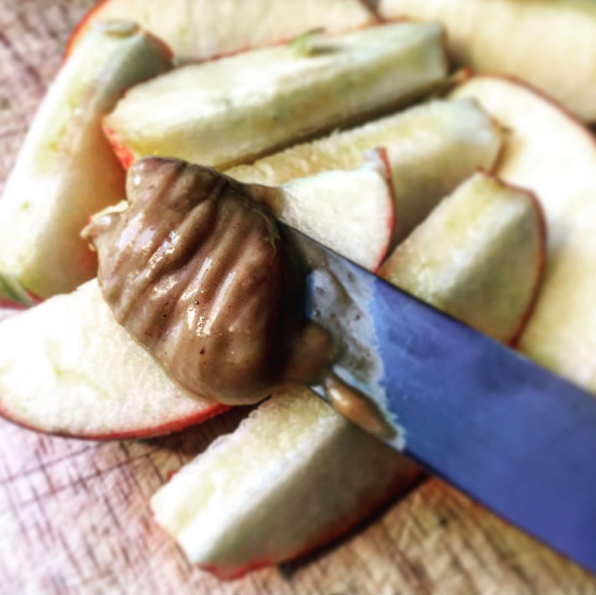
As you can see from the photos above, I’m a big fan of adding a smear of peanut butter to fruits and vegetables. I’d love to hear about which food vehicles you use to get your dose of PB. Please email your go-to recipes/meals to elementaltampa@gmail.com. You an also post your PB creations on any of our social media channels (FacebookInstagram or Twitter). Let’s all show our love & appreciation for this nut butter imposter!


Addicted to Fitness Show Notes – Hurricane Irma Update

I want to apologize to our regular readers of the blog & listeners of the Addicted to Fitness podcast for being MIA over the past week. Hurricane Irma posed a real threat to my family’s safety, and Shannon and I had to dedicate all our focus to preparing for this potentially life altering event. Fortunately for us and other Tampa residents, Irma weakened as it approached our city. This led the storm to cause what I would consider minimal damage and allowed us to record an impromptu episode of the ATF podcast.

Shannon and I take a departure from our normal training recap and health news to fill you in on all that went into preparing for this storm. We discuss the emotional eating caused by Hurricane Irma, which I will say is definitely a reality. We were anticipating being without power for sometime, which is why we cooked everything in our freezer including 4 boxes of Trader Joe’s croissants. Shannon and I do a good job sticking to a low carb diet, but once we were faced with the threat of a natural disaster, we couldn’t get ENOUGH comfort food.

After recapping our “hurricane” eating, we go into the more important topic of providing relief to those severely affected by Irma. I know I plan on donating blood this week and I encourage all that can to do the same. Blood donations are always in demand, especially after natural disasters. You can also donate cash to reputable charities who have already set up Hurricane Irma relief funds like the American Red Cross (link) and Save the Children (link). If you plan on donating to another charity to help Hurricane Irma victims, please make sure they’re legit by researching them on Guidestar.org.

Screen Shot 2017-09-13 at 5.43.24 AM

We truly appreciate all our friends & family constantly checking up on us before and after the storm. It always feels good to be shown a little love, which is a perfect segue for me to ask you all to show the ATF podcast a little love by giving us a rating & review on iTunes (link) OR our brand new Facebook page (link). I also want to reiterate that if you’re able to donate to Hurricane Irma relief, please do so.

As always, feel free to send us your thoughts about this or any episode of the ATF podcast via email (elementaltampa@gmail.com) or by reaching out to us on social media (FacebookInstagram or Twitter). We’ll be back next week with a brand new episode full of all kinds or useful fitness info. Thanks for listening and stay healthy this week peeps!

Links to this week’s episode

iTunes: https://itunes.apple.com/us/podcast/hurricane-irma-update/id1121420986?i=1000392192174&mt=2

Soundcloud: https://soundcloud.com/nick-burch-702220833/hurricane-irma-update

Website: http://addictedtofitness.libsyn.com/hurricane-irma-update

What’s on the Menu – Let’s Talk Turkey

I may be guilty of propagating a myth about one of our nation’s founding fathers, Benjamin Franklin. In the Instagram post (link) promoting this week’s menu spotlight, I suggested that the wild turkey was in a race with the bald eagle to be on our nation’s seal.

I recall hearing that historical tidbit from a reliable source and when I went to find supporting research, I found a source that seemed to confirm my statement. Upon further research, it appears the idea of Franklin championing for the wild turkey to be our nation’s symbol way back in the 18th century isn’t entirely true.

According to excerpts from a letter authored by Franklin, he did believe that the wild turkey was a “bird of courage” more likely to chase off an intruder than the bald eagle, but did NOT suggest that the turkey should be a part of our nation’s seal. It appears that Franklin was somewhat apathetic to the idea of having a bird on our nation’s seal altogether (source). Regardless of the turkey’s moral character, the fact that it provides both significant macro & micronutrients is 100% accurate.

wild-turkeys-2080364_1920 (1)

You won’t find these types of turkeys at your grocery store

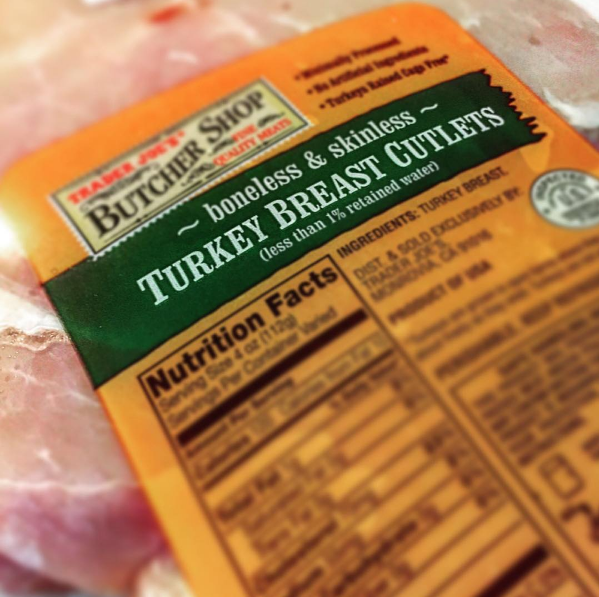
The turkey you pick up at the grocery store looks very different from the turkeys Benjamin Franklin was talking about. They may look different but their macronutrient content is very similar. Three ounces of turkey breast, without skin, contain 2 grams (g) of fat, 0 g of carbs and 26 g of protein (source). Not a great source of healthy fat or carbs, but a definite protein powerhouse. No surprise that you find turkey on a lot of meal plans for individuals looking to put on muscle.

Much like other animal-based protein sources, turkey is high in B vitamins, B3 & B6 in particular. B3, also known as niacin, is critical for the conversion of dietary macronutrients into usable energy including the production of glycogen. For those unfamiliar with glycogen, it is an animal starch stored in our muscles as fuel for future physical activity (source). This particular function of B3 is most likely why bodybuilders ingest supplemental forms of it to help them maintain their rigorous workout schedule.

Turkey also contains a significant amount of important dietary minerals. Zinc, copper, phosphorus, magnesium, potassium, and iron are several minerals you’ll absorb eating turkey, but the mineral most abundant in turkey is selenium. A 4oz serving of turkey contains 62% of our DV of selenium, which is known to be a powerful antioxidant. With that said, it should come as no surprise that the consumption of turkey, and other poultry, has been shown to reduce the risk conditions/syndromes caused by oxidative stress like pancreatic cancer (source).

Screenshot 2017-08-24 at 10.28.29 AM

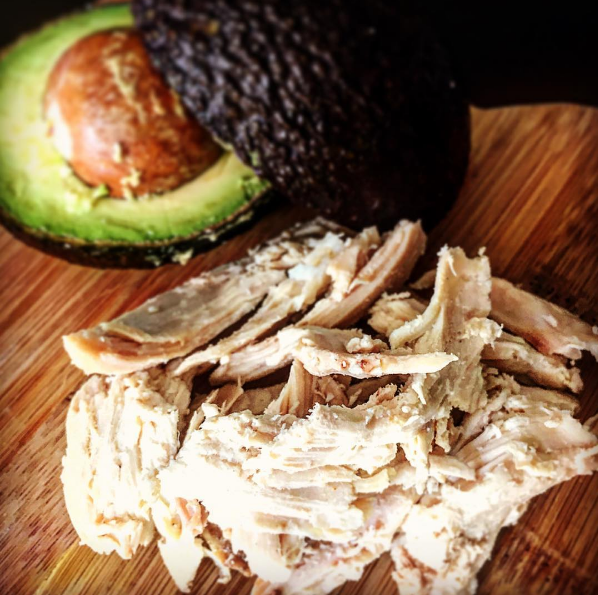
Turkey doesn’t contain the amount of fat I normally prefer in my animal protein, but that’s an easy problem to fix. Shannon and I love using ground turkey (which does have added fat) to make burgers and I throw a couple slices of avocado on them to up their fat content. The combination of the protein from the turkey and the fat from the avocado makes for one satiating meal.

If you have a go-to turkey recipe that you think trumps my turkey burgers, please feel free to share it on our social media channels (FacebookInstagram or Twitter). You can also email it to us at elementaltampa@gmail.com.

Email is the best way to find out more about Elemental Training Tampa’s online training program. Get that personal training you’ve always wanted at a price that you can afford.

What’s On The Menu – Let’s Ketchup on this Micronutrient Superfruit

I apologize for the brevity of this post. I had a full blog written, with funny anecdotes and informative nutrition details about this week’s menu spotlight. Bbbbbbbuttttt, when I woke up yesterday morning to do the final edit, I discovered that I didn’t save it.

pexels-photo-52608

My reaction when I realize I didn’t save this week’s blog

I don’t want to leave you all hanging this week, so the following is a short summary of why you need to start incorporating more tomatoes & tomato products, besides ketchup, into your diet.

  • Tomatoes’ macronutrient content isn’t anything spectacular – 1 medium size tomato contains no fat, 1 gram (g) of protein and 5 g of carbs; its carbs consist of mainly simple sugars & insoluble fiber (source).
  • Tomatoes’ micronutrient content is what really sets them apart – they contain a significant amount of vitamins (C, K & B-complex), minerals (molybdenum, potassium & copper) and antioxidants (lycopene, rutin, beta cartoene & many more – source).
  • The consumption of the micronutrients contained in tomatoes has been shown to mitigate certain health conditions – The vitamins, minerals and antioxidants contained in tomatoes have been shown to help with the treatment of high blood pressure, heart disease, degenerative vision conditions, depression and more (source). Lycopene, which tomatoes contain a significant amount of, has been shown in epidemiological & animal studies to lower the risk of certain types of cancer (source).
  • Shannon makes the best tomato dish EVA! –  Some may say this is an opinion, but if you’ve had Shannon’s Saucy Tomato Eggs, you would know it’s a fact. Do yourself a favor and click here to check out the recipe.

Screenshot 2017-08-16 at 3.56.43 PM

Hopefully the wizards at WordPress can work some magic and recover the previous blog. If they do, I’ll update this one with any additional info.

In the meantime, please feel free to send us your favorite tomato recipes. Doesn’t matter if you like’em raw, stewed or smashed into a paste, send those recipes to us at elementaltampa@gmail.com. You can also send us pics of your go-to tomato dishes on social media (FacebookInstagram or Twitter).  Shannon and I will pick the most tasty looking one and repost it on all our channels.

What’s On The Menu – Pasture Raised Chicken: Is It Worth It?

I, like many of you, am faced with a variety of chicken choices when I go to the grocery store each week. Do I buy organic, free-range, pasture raised or conventionally raised? The choices seem to be growing by the year, but is one superior to the other?

Much like beef, I believe that chickens raised in a way that closely resembles the lives their wild ancestors live (e.g. 24/7 access to open pastures & ability to forge for insects and other food sources) provides a better animal welfare situation than that of birds caged in confined quarters.

When looking into potential environmental impacts of pasture raised chickens, the research is mixed. Some individuals contend that pasture raised chickens take more resources to produce (source) while other cite the facts that these chickens eliminate the need for fertilizer and their food sources don’t require any herbicides to produce (source).

Those aspects are important to consider when purchasing your chicken, but the main goal of this week’s menu spotlight is to determine if pasture raised chicken is nutritionally superiority to its conventional counterpart.

pexels-photo-58902

Let’s take a quick look at the macronutrients contained in both pasture & conventionally raised chicken. One cup of a roasted chicken breast contains 231 calories, 43 grams (g) of protein, 5 g of fat and 0 g of carbs. It should be noted that different parts of the chicken, skin-on or skin-off, contain different nutritional values. No matter what part of the chicken you prefer, they all contain a substantial amount of protein.

To determine which one is nutritional superior, were going to have to look at their respective micronutrients. Luckily, the American Pastured Poultry Producers Association (APPPA) performed a study in 2013 comparing the micronutritional difference between pasture raised and non-pasture raised chickens. The results of their study showed that pasture raised chickens were higher in vitamin D3 and E, both of which are important to mitigating auto immune diseases.

The APPPA study also discovered that the pasture raised chicken contained an omega 6 to omega 3 fatty acid ratio of 5:1 while the standard 6:3 ratio for conventionally raised chicken is 15:1 (source). This is important because recent research suggest that foods containing large amounts of omega 6’s (e.g. vegetable oils & fast food) could lead to inflammatory disease like cardiovascular disease, obesity, cancer, and more (source).

Screenshot 2017-08-10 at 6.04.26 PM

After looking at the preliminary evidence, I have reached a verdict: pasture raised chicken is nutritional superior. Yes, a pasture raised chicken from the store or a local farmer could cost 2-3 times more than a conventionally raised chicken, but like the old saying goes “You get what you pay for.” If chicken is one of your primary protein sources, and you are interested in optimizing your nutrition, you may want to think about forking over the extra dough.

If you’re a regular consumer of pasture raised chicken, I’d love to hear some of your go to recipes. One of my favorite recipes that uses chicken, pasture raised or not, is chicken pot pie soup (recipe link). I skip the pie crust and do my best to use gluten-free ingredients, but I highly recommed you do yourself a favor and make it tonight! Feel free to send a pic of your delicious chicken recipe to us on social media (FacebookInstagram or Twitter) or you can email it to elementaltampa@gmail.com.

You can also take advantage of the complimentary fitness consultations we’re currently offering by emailing us. Whether you need advice on nutrition or just want workout tips, I’d be happy to set up an appointment with you to discuss how you can improve your fitness.

Addicted to Fitness Show Notes – Zero Calorie Beverage Taste Test

Nick and I start this week’s podcast off with a couple announcements that are likely familiar to any of our regular listeners.

First off, Nick is still offering a complimentary fitness evaluation and all you have to do is email him at elementaltampa@gmail.com.

If you enjoy our podcast and want to show some love, we have a great opportunity for you! Creative Loafing’s Best of the Bay 2017 is open for voting until August 23rd and Addicted to Fitness is a finalist for Best Local Podcast (under the People, Places & Politics category).

In terms of our training recap for the week, Nick and I talk about a pair of group fitness classes that we were both involved in over the last week. I did my very first assisting class, which is part of the requirements for my yoga teacher training, by jumping in to help a group of 50 people of different experience levels. It was actually a terrific experience and once I got past the initial nerves, I really enjoyed helping people find proper alignment and offering some hands on adjustments to those who wanted it.

Nick on the other hand actually got thrown into leading a section of a kickboxing class at Title Boxing in Tampa, where he’s been looking into the possibility of teaching classes. Minus being completely new to the Britney-Spears-headset, he admitted that he got right into the 30-min drills on the kickboxing bags that he led. Stay tuned for whether he’ll be debuting his training skills at Title Boxing in future!

This slideshow requires JavaScript.

For this week’s episode, Nick had told me that he really wanted to do a taste test, which was just fine with me! We took on a taste test of zero calorie “naturally” sweetened beverages.

You’ll have to listen for the full initial reactions and reviews on each of the three drinks we tried, but here’s a quick recap:

  • Perrier with Lime – Classic mineral water with loads of bubbles and a clean, refreshing lime flavor. We both agreed it was a win, with its natural flavors, if you like bubbles. I even suggested it might make a good mixer for the bar!
  • Zevia – The Mountain flavor was sweetened with stevia and smelled a lot like Sprite. The taste, however, was all stevia. Neither Nick or I could really get past the “blanket mouth” aftertaste that it left behind.
  • Steaz – A half-and-half green tea, lemonade combo that mentioned its zero calorie benefit three times on the front of the can (clearly they wanted to get the point across). Not nearly as bubbly as the other two, this beverage was a hit for both Nick and I. The major sweetener was erythritol, which we’d explored in a previous podcast (check out Episode 29 – the interview with CEO of Swerve, Andress Blackwell).

There are loads of other zero calorie drinks on the market, but these were just a few that we thought would be good to review. Please let us know if you’re a fan of a particular beverage in this category so we can give it a try.

Screen Shot 2017-08-06 at 4.37.23 PM

Also, we called it out early on in this week’s episode but always end with an invitation to share your feedback and ideas for future podcast episodes with us. Message us on social media (FacebookInstagram or Twitter) or email. We’d love to hear from you!

Until next week’s episode, have a great one!

Links for this week’s episode

iTunes: https://itunes.apple.com/us/podcast/zero-calorie-beverage-taste-test/id1121420986?i=1000390742956&mt=2

Soundcloud: https://soundcloud.com/nick-burch-702220833/zero-calorie-beverage-taste

Website: http://addictedtofitness.libsyn.com/zero-calorie-beverage-taste-test

What’s On The Menu – More Than Just The Freshmaker

How did mint become the go-to car air freshener scent? Was it good marketing? Did people like how that green leaf looked hanging from their rear view mirror?

It’s visual appeal could be a possible reason but I think it has more to do with how the scent affects our biology. A study performed in the early 2000s found that the smell of peppermint actually affected the amount of anxiety, fatigue and physical demand experienced by drivers on prolonged trips in the car. The study suggested that “periodic administration of (peppermint) odors over long-term driving may prove beneficial in maintaining alertness and decreasing highway accidents and fatalities” (source). Cognitive benefits are just the start to the positive health benefits of this refreshing herb.

Menu pic 2 8-2

I constantly tell you about the high antioxidant content of certain fruits and vegetables, but I don’t seem to give as much recognition to herbs. Shame on me because mint, which is a broad term for 15-20 different species, contains one of the highest antioxidant capacity of any food. One particular antioxidant contained in mint, rosmarinic acid, has been shown to be an effective natural treatment for seasonal allergies. Also, if you already have the sniffles due to the common cold, menthol contained within mint plants has been long regarded as a natural decongestant because of its ability to break up phlegm and mucus (source).

The benefits of mint not only alleviate cold like symptoms, they can also help prevent you from getting a cold or some other type of infection. Peppermint oil has been shown to stop the growth of certain types of fungus and bacteria including the nasty MRSA. It’s also a good source of vitamin C, which can help improve the performance of our immune system (source). Speaking of performance, mint may be the PED all athletes can use without fear of getting busted.

I already mentioned one study that demonstrated how peppermint enhanced the performance of drivers, but can it do the same for athletes? A study published in the Journal of the International Society of Sports Medicine in 2013 discovered that individuals that ingested a minute amount of peppermint essential oil displayed improvements in exercise performance, blood pressure, respiratory rate, and several other related categories. The researchers believe that these improvements were due to the herb’s ability to relax bronchial smooth muscles, increase ventilation & brain oxygen concentrations and decrease blood lactate levels (source). That means that if you can run and chew gum at the same time, you may have a leg up on your competition.

Menu pic 1 8-2

I always try to chew gum while working out, except for disciplines that require me to wear a mouthpiece (e.g. kickboxing, grappling, etc.). I’m sure it helps me concentrate but I use it mainly to prevent dry mouth. I use the crappy sugar-free stuff you get at the grocery store, which is peppermint flavored but I doubt has any real peppermint in it. Maybe I’ll perform a little experiment on yours truly to see if ingesting peppermint essential oil has a beneficial effect on my workout performance. Stay tuned for that!

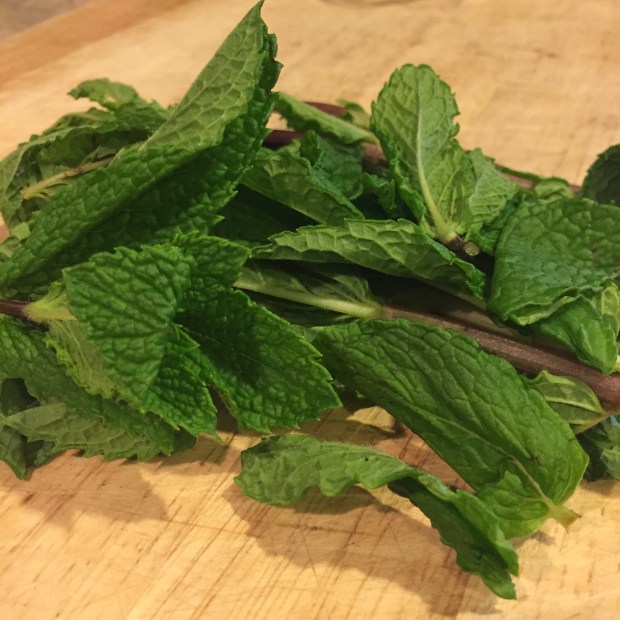
In the meantime, I’d love to hear how you like to incorporate mint into your diet. I enjoy throwing a handful of mint leaves into a tall glass of club soda with lime, essentially making a non-alcoholic mojito. Please feel free to share your minty fresh recipes with us on our social media (FacebookInstagram or Twitter) or email them to elementaltampa@gmail.com.

You can also take advantage of the free fitness consultations I’m currently offering by emailing me.

Last but not least, we’d really appreciate it if you vote for Addicted to Fitness for the “best local podcast” in the Creative Loafing Best of the Bay contest. Click the following link to cast your vote. Thanks!