diet

What’s on the Menu

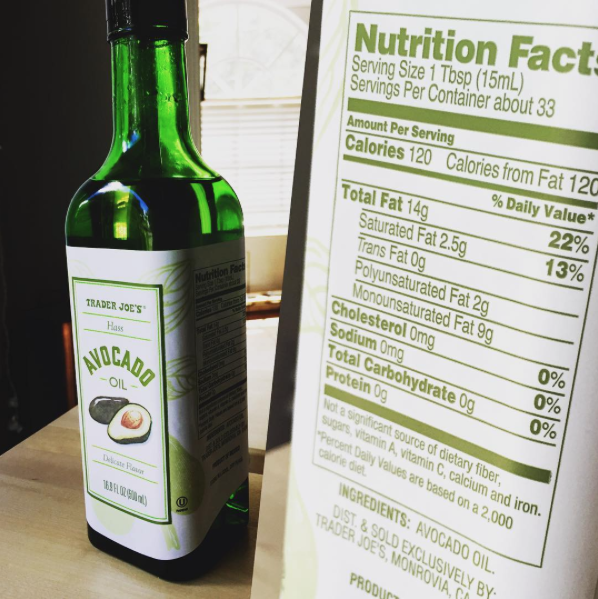
I have to admit that I’m a big fan of Trader Joe’s. They don’t always have the widest selection of groceries, but the price of their quality items (organic, grass-fed, etc.) is hard to beat. One of those quality items that I’ve sorta already professed my love for is avocado oil. Yes, if I had to choose between an actual avocado and avocado oil, I’d choose an avocado all day. The actual fruit has way more macro and micronutrients. However, as someone who’s trying to be more fat-fueled opposed to carb-fueled, avocado oil is a healthy addition to my fat sources. The consumption of monounsaturated fats, which this oil is high in, has been linked to lowering the risk for certain types of cancer and type 2 diabetes (source). Looks like I’ve found a new salad dressing.

screen-shot-2016-09-20-at-3-38-54-pm

What’s on the Menu

This week I have a bite(s) size edition of #whatiatewednesday for you. Snacking healthy can be difficult but with a little forethought, it can be a breeze. There are plenty of great healthy snack options like hard boiled eggs, olives or hard cheeses (if you can handle dairy). Take this snack I pack in my lunch everyday. A small Tupperware of walnuts (heathy fats + protein), raisins (glucose for immediate energy) and dark chocolate (caffeine + theobromine for a coffee like pick me up) is the perfect afternoon health snack. The fish oil supplement in the pic is not required to complete this snack but can be beneficial if you don’t eat enough fatty fish.

FullSizeRender-22

What’s on the Menu

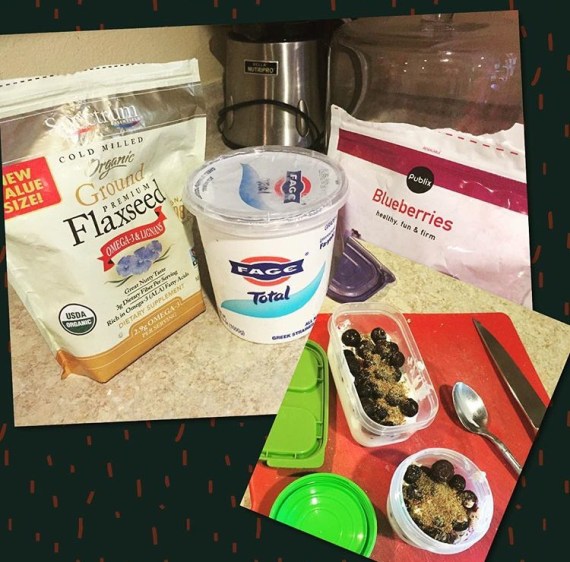
This week’s edition of #whatiatewednesday focuses on the importance of bacteria. I imagine that when most people think of bacteria, they think of something dirty like the bathroom door handle or the floor of a fast food restaurant. The strains of bacteria I’m referring to are contained within our bodies and our food. Maintaining the appropriate amounts and types of certain bacteria within our gut can affect our mood, cognitive function and longevity (source). One dietary source of “good” bacteria that I pack in my lunch everyday is greek yogurt. I combine 1 cup of full fat Greek yogurt (20g of protein + beneficial strains of bacteria) with blueberries (antioxidants + phytonutrients) and ground flaxseed (omega 3 fatty acids) to create a nutrient dense mini meal that satisfies all the macronutrient categories and helps me maintain a healthy gut.

FullSizeRender-20

What’s on the Menu

I’m back with another #whatiatewednesday post for you all. If you haven’t been living under a rock the last few years, someone has probably told you that avocados are good for you because they contain “healthy” fats (monounsaturated & polyunsaturated to be exact). But you may not know that 1 avocado has more potassium than a banana and 4g of protein with all 8 essential amino acids (source). They also include other important micronutrients like vitamin A, C, iron and calcium (source). These nutritional facts make them an important component of anyone’s diet, especially non-meat eaters. As you can see I like to dress mine up with a little red pepper & olive oil. I’m pretty fancy.

Screen Shot 2016-08-16 at 5.29.13 AM

What’s on the Menu

This week’s #whatiatewednesday post features a food sold at most grocery stores that has been found to be anti-inflammatory, antioxidant and anti-carcinogenic superfood. The root, that looks a lot like a worm, I’m referring to is turmeric. Turmeric contains a compound known as curcumin that is believed to have the same pain relieving effect as medication like ibuprofen, but without the negative side effects. Curcumin inhibits the same enzyme ibuprofen does that causes inflamed areas of the body to become painful (source). I’m not quite sure the best way to unlock it’s beneficial properties, but for now I’m peeling, chopping and tossing several pieces into a seeping bag to create a powerful afternoon tea time. To get your daily dose of curcumin you can buy ground or whole turmeric and add it to food, or you can buy curcumin supplements. Supplemental forms of curcumin can contain mega doses, which is why you should consult your physician before taking them.

FullSizeRender-19

Daily Fuel

A client of mine recently said I should post more pictures of my meals, so I figured why not start with a snapshot of what my fiancé and I bring to work every day. One of the keys things to remember about nutrition is that you want to eat food that’s nutrient dense. Nutrient dense foods contain higher levels of macronutrients (carbs, fats, protein) and micronutrients (vitamins & minerals) which minimizes the amount of “empty” calories. The more nutrient dense your food is, the more satiated you’ll feel after eating it. That’s why I always fill our lunches with veggies, fruit, nuts and protein sources containing healthy fats. We’re fortunate enough to be able to process dairy in the form of yogurt & cheese, but we make a conscious effort not to overdo it. We also try our best to limit our sugar sources to just fruit. What are you packing in your lunch? Do you bring enough food with you to be satiated throughout the day? Do you find yourself buying food while at work?

IMG_2788

Diversification isn’t just for your portfolio

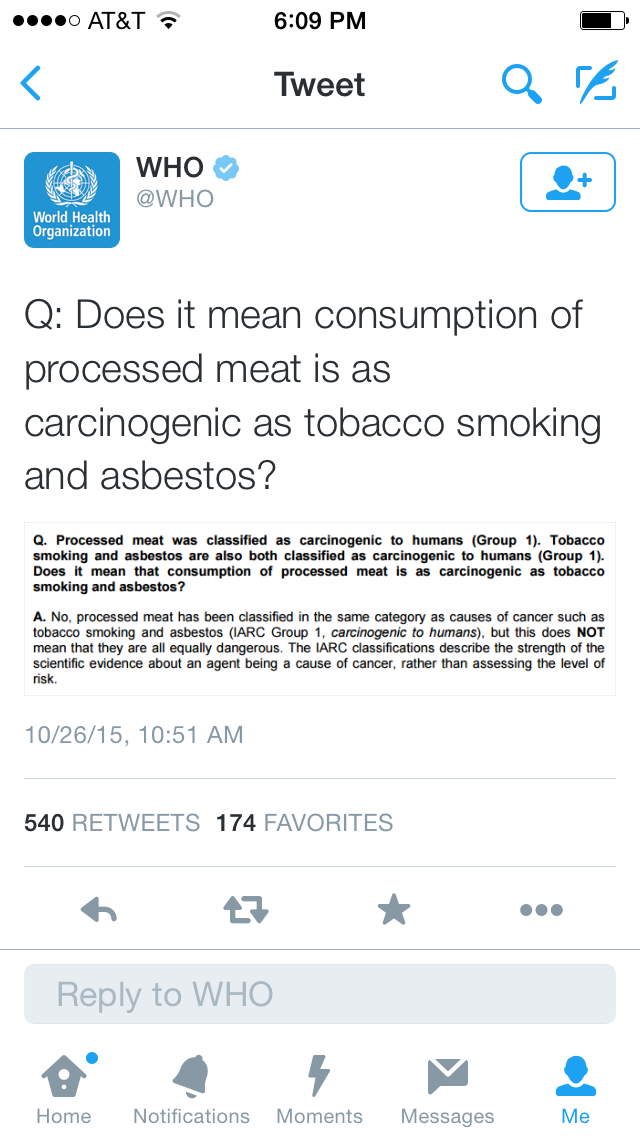
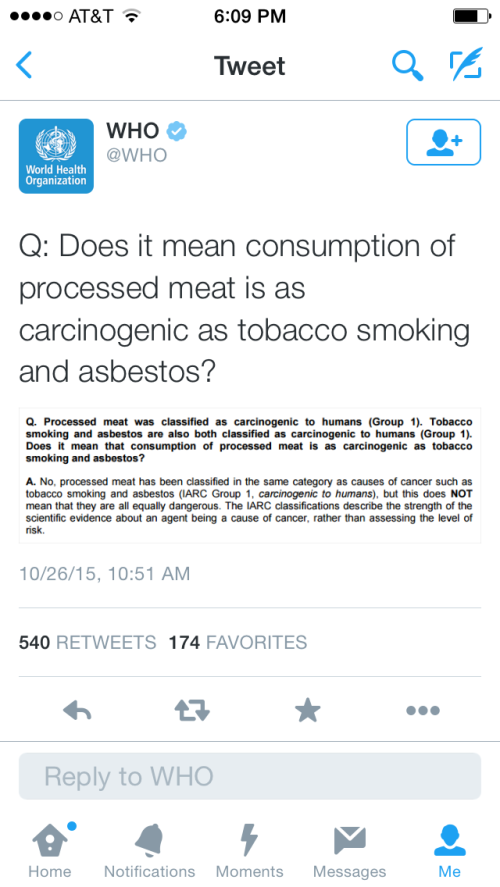
Yesterday, the World Health Organization (WHO) sent out a press release stating that processed meats are carcinogenic to humans and that red meat is probably carcinogenic to humans. Since I frequently mention my proclivity as an ominvore, I’m sure most of you think that this post will try to debunk the WHO’s findings. Well……surprise! I actually think the WHO’s findings are great! I believe nutrition is a very important issue, especially in the U.S., and informing individuals on the health effects of certain foods is extremely important. Also, I’m a big proponent of having diversity in one’s diet. If you read the press release, the WHO states that eating more than 50 grams of processed meats (approximately 2 slices of bacon) or 100 grams of red meat (approximately 1/4 lb burger) a DAY can increase the risk of certain types of cancer. It DOES NOT suggest that people should stop eating meat. In fact, the WHO states that “red meat has nutritional value” and that governments should use this information to educate their citizens on proper nutrition. The WHO press release DOES NOT say that processed & red meat are as carcinogenic as tobacco or asbestos, as some media outlets reported. Check out the screen grab below from the WHO’s Twitter page for a more in depth explanation of the classification.
IMG_1836

I am a meateater and will continue to eat meat. I will also continue to eat a diverse diet in order to limit my processed & red meat intake. Veggies, fruit, starches, nuts, seeds, poultry, dairy, the occasional adult beverage, seafood, and everything else in between. I believe all these foods along with processed & red meat have allowed humans to become the ultimate omnivores.image

I hope the WHO press release will motivate individuals who rely on processed & red meat as their primary protein source to diversify their diets. I know I’m only scratching the surface of this issue, but I wanted to clarify some misinformation, and further promote the positive side of the WHO’s findings. If you have any comments please leave them below.
Make Macho Man Proud

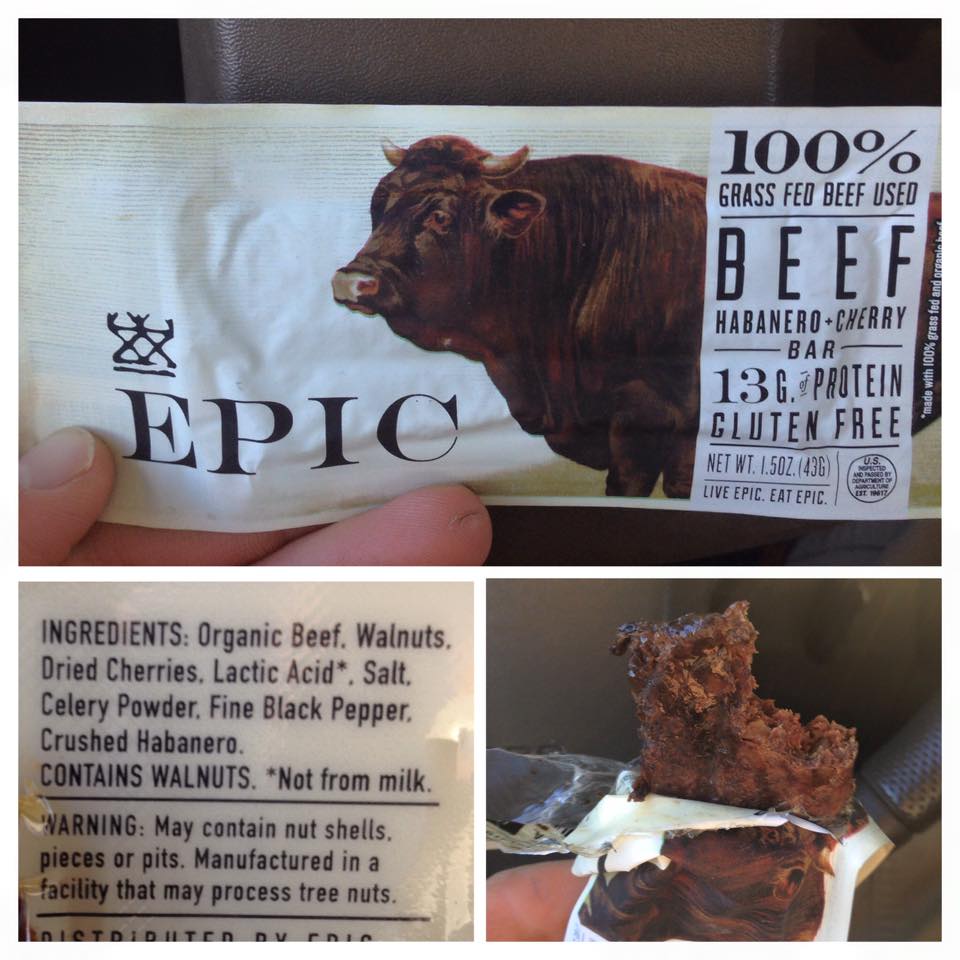
You all know that I’m always looking for new sources of protein to add to my daily meal plan. Also, I am really trying to minimize processed ingredients in the food I eat. That is why I was really excited when I picked up the EPIC 100% grass-fed beef bar at Whole Foods recently . I don’t think it will replace my daily protein bar due to the price tag (almost $3) but the taste, ingredients, and protein content will make me buy more in the future. The Epic bar makes slim jims look even more unappetizing than they already are.

10929001_1590682937832219_4090328105949856690_n